The Skill Stack That Defines a Modern Digital Media Artist
The role of a digital media artist has expanded significantly in today’s creative landscape. Modern visual content requires more than artistic talent; it demands technical ability, storytelling awareness, and adaptability across platforms. From animation and design to interactive media, digital artists now work at the intersection of creativity and technology. Many professionals developing their careers as digital media artists in Fort Lauderdale focus on building a diverse skill stack that supports both artistic expression and professional production standards. This combination of skills allows artists to create impactful work while staying aligned with evolving industry needs. Understanding the core abilities behind modern digital media artistry highlights what it takes to succeed in this field.
Artistic Foundations and Visual Storytelling
At the heart of digital media artistry is strong visual communication. Artists must understand composition, color theory, lighting, and design principles to create work that feels engaging and intentional. Beyond aesthetics, storytelling is essential, as digital art often supports narratives in branding, entertainment, and multimedia projects. A modern artist must be able to translate ideas into visuals that connect with audiences. Whether creating characters, environments, or motion graphics, artistic foundations remain the starting point for all professional digital media work.
Technical Proficiency Across Digital Tools
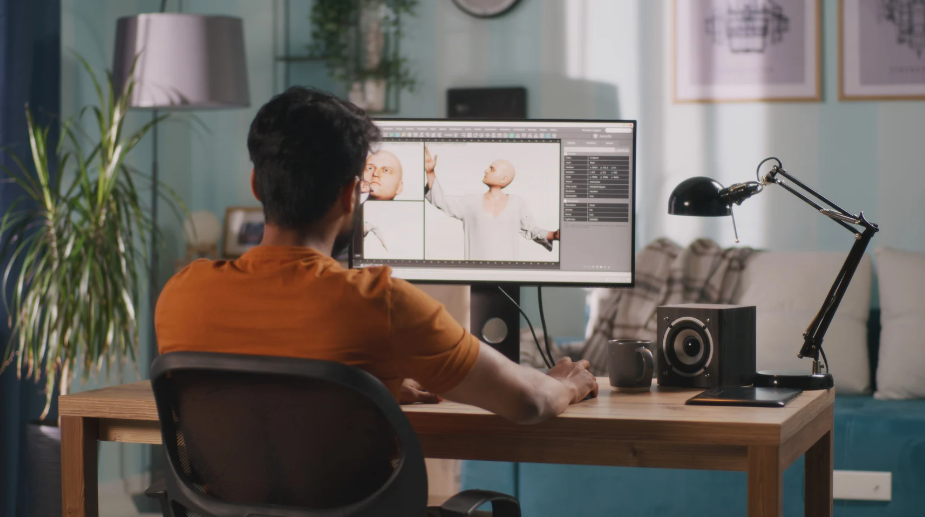
Technical skill is what transforms creativity into professional output. Digital media artists rely on advanced software for illustration, animation, 3D modeling, video editing, and interactive design. Understanding workflows, file structures, and production pipelines is critical for efficiency and collaboration. Artists who develop technical fluency can adapt to different project requirements and deliver polished results. This balance of creativity and technology defines the modern digital artist and supports work across industries.
Versatility in Animation and Motion Design
Motion is an increasingly important part of digital media. Artists today are often expected to create content that moves, whether through 2D animation, 3D sequences, or dynamic visual effects. Motion design adds depth and engagement, especially in marketing, entertainment, and digital storytelling.
Versatility in animation allows artists to expand their opportunities and contribute to projects that require both static design and immersive movement-based visuals.
Professional Growth and Creative Visibility
Modern digital artists also need awareness of how to position their work in a competitive environment. Building a career involves not only skill development but also presentation, communication, and strategic growth. Digital artist’s guide to self-promotion reflects the broader importance of how creative professionals present their work and build connections within the industry. This professional dimension helps artists maintain visibility while focusing on long-term creative development and sustainable opportunities.
Collaboration and Industry Adaptability
Digital media projects often involve teamwork across multiple disciplines. Artists collaborate with designers, developers, marketers, and production teams, making communication and adaptability essential. Understanding client needs, meeting deadlines, and adjusting creative direction are all part of professional practice.
Adaptability is also important because technology and trends evolve quickly. Artists who continuously refine their skill stack remain prepared for new tools, platforms, and creative demands.
Conclusion
A modern digital media artist is defined by a diverse skill stack that combines artistic foundations, technical expertise, versatility, and professional awareness. Success in this field requires both creative vision and the ability to navigate advanced digital workflows. By developing a balanced range of skills, digital media artists can create impactful work that meets the needs of next-generation visual content and evolving creative industries.