How Natural Light Affects Your Office and What to Do When You Don’t Have Enough
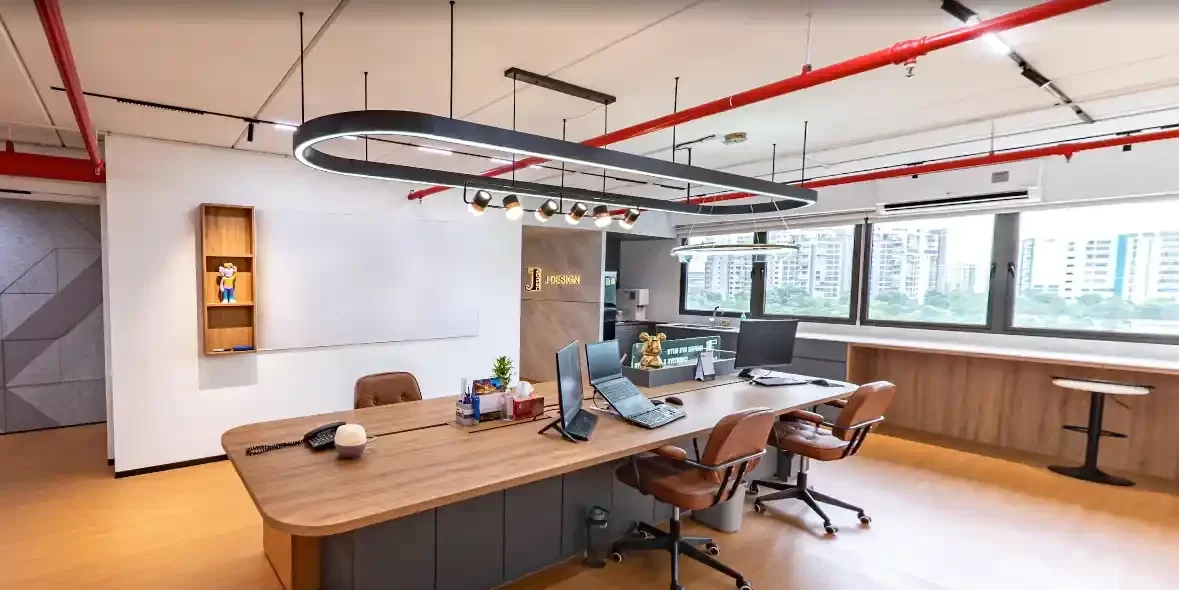
Most people working in Singapore offices will tell you they feel better on days when they sit near a window. That’s not just preference – natural light affects everything from mood and productivity to eye strain and sleep quality. But in a city where commercial real estate comes at a premium and many offices occupy internal floors or windowless areas, you can’t always count on natural light. So what do you do when you don’t have enough of it?
Understanding how light affects your space helps you make better decisions about artificial lighting, layout, and design choices that can partially compensate for limited windows.
Why Natural Light Actually Matters
Your body’s circadian rhythm depends heavily on light exposure. Natural light signals your brain that it’s daytime and helps maintain alertness. When you spend hours under only artificial light, your circadian rhythm gets disrupted. This shows up as afternoon concentration difficulty, trouble sleeping despite feeling tired, and that 3 PM sluggish feeling.
Eye strain is another issue. Natural light provides better color rendering and reduces screen-to-surroundings contrast, making it easier for your eyes to adjust. Artificial light often creates harsh contrasts forcing your eyes to work harder.
Windows also provide psychological benefits – visual relief beyond your screen and connection to the outside world. Even a view of another building maintains your connection to the natural environment.
Assessing Your Office’s Natural Light Situation
Before addressing light issues, understand what you’re working with. Walk through your space at different times of day. Note which areas get direct sunlight, indirect natural light, or are always artificially lit. Window orientation matters – east-facing windows get strong morning light but dim afternoons, west-facing windows bring harsh afternoon sun and heat, while north and south orientations provide more consistent daylight.
Natural light effectively penetrates about one and a half times the ceiling height. In a typical office with 2.8-meter ceilings, that’s roughly four meters. Beyond that, you’re relying primarily on artificial light.
Maximizing Whatever Natural Light You Have
If you have windows, design your layout to maximize their benefit. Position workstations closer to windows and put storage or occasional-use spaces in interior zones. Don’t block windows with high partitions. Use glass or low-height options that allow light to pass through.
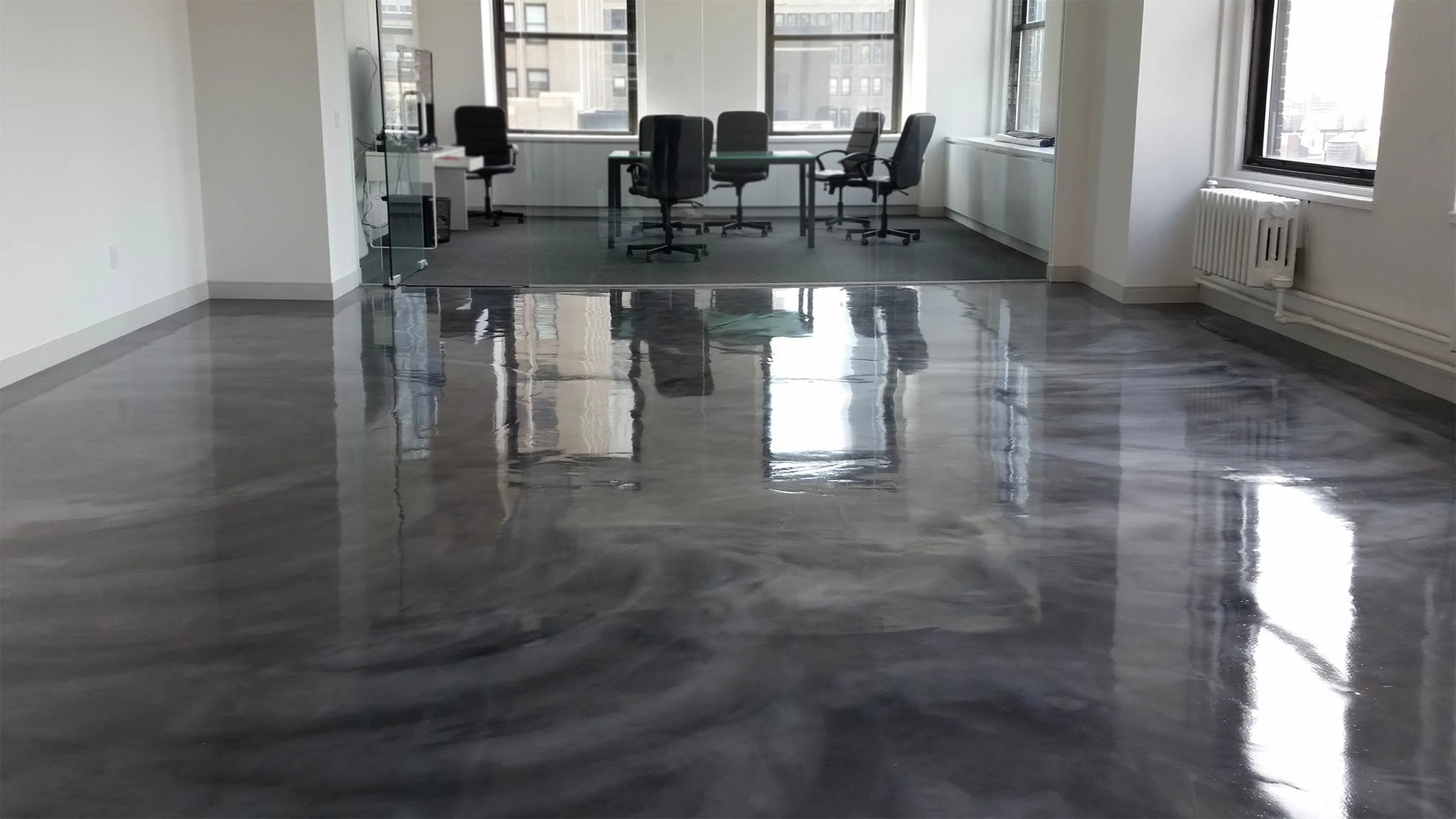
Reflective surfaces bounce natural light deeper into your office. Light-colored walls, glossy floor tiles, and glass partitions improve light distribution. Avoid dark finishes where you’re maximizing natural light.
Window treatments need to balance glare control with daylight. Roller blinds with varying opacity work well – sheer fabrics diffuse harsh sun while maintaining daylight. Skip heavy curtains unless you specifically need blackout capability.
Artificial Lighting Strategies That Actually Help
When natural light is limited, artificial lighting needs to support circadian rhythms, provide good color rendering, and create comfortable conditions. Color temperature matters significantly. Warm white (2700-3000K) feels cozy but doesn’t support alertness. Cool white (5000-6500K) mimics daylight but can feel harsh.
A better approach uses tunable lighting that shifts color temperature through the day. Cooler light in morning supports alertness, while warmer tones in late afternoon ease the evening transition. Even two lighting circuits with different color temperatures you manually switch provides flexibility.
If you’re working with Design Bureau’s office interior design service in Singapore, ask about lighting designs that layer different sources. Light intensity needs variation – task lighting at workstations, ambient lighting for overall illumination, and accent lighting for visual interest. Varying light levels based on function makes spaces comfortable while reducing energy use.
Lighting Design for Windowless Spaces
Some offices have no windows – basement levels, interior suites, or industrial spaces. These need careful lighting to prevent cave-like feelings. Higher light levels help but aren’t sufficient alone. You need better color rendering (high CRI lights), appropriate color temperature, and visual variation. Mix overhead ambient lighting, task lights, wall washing, and decorative fixtures.
Consider biodynamic lighting systems that simulate natural light patterns, gradually shifting intensity and color temperature through the day. Artificial skylights can be effective if done well, and may justify the investment for spaces where people spend long hours.
Other Design Elements That Compensate for Limited Light
Other design choices can partially offset limited natural light. If you can’t provide window views, create interesting visual elements – art, texture, plants, or varied ceiling treatments. Biophilic elements like plants and natural materials help create connections to nature.
Color choices matter when natural light is limited. Consider warmer neutrals or accent walls in soft blues, greens, or warm earth tones. Materials with visual warmth – wood tones, soft textiles, natural textures – help spaces feel less artificial.
Layout Strategies for Light-Poor Offices
How you organize your floor plan affects how people experience limited natural light. Place focus-intensive work where you have the best light. Put intermittently-occupied meeting rooms in interior zones. Social spaces can work in darker zones if lit to feel cozy rather than dim.
Consider whether everyone needs a fixed desk. Activity-based working lets people choose spaces appropriate for their task, naturally moving them toward better-lit areas for focused work.
Balancing Other Factors
In Singapore’s climate, natural light comes with heat gain. Large west-facing windows can make cooling costs excessive. Modern buildings with good solar shading and high-performance glazing handle daylight better than older buildings with basic glazing. If natural light matters to your team, these building-level factors should influence your space selection.
Practical Steps You Can Take
You don’t need to redesign your entire space to improve light conditions. Start by assessing what you have and prioritizing improvements where people spend the most time. Replace outdated fluorescent fixtures with LED panels offering better color rendering. Rearrange layouts to get more people closer to windows. Add task lighting at workstations so people control their own lighting conditions.
Design Bureau or other interior design companies can assess your situation and recommend targeted improvements, but many basic changes are within reach for facilities managers or business owners. Natural light is ideal, but its absence isn’t fatal. Understanding how light affects your space lets you create comfortable, functional environments even when windows are limited.