From Shore to Deck: Why Every Cold-Water Athlete Needs a Swim Parka or Boat Coat
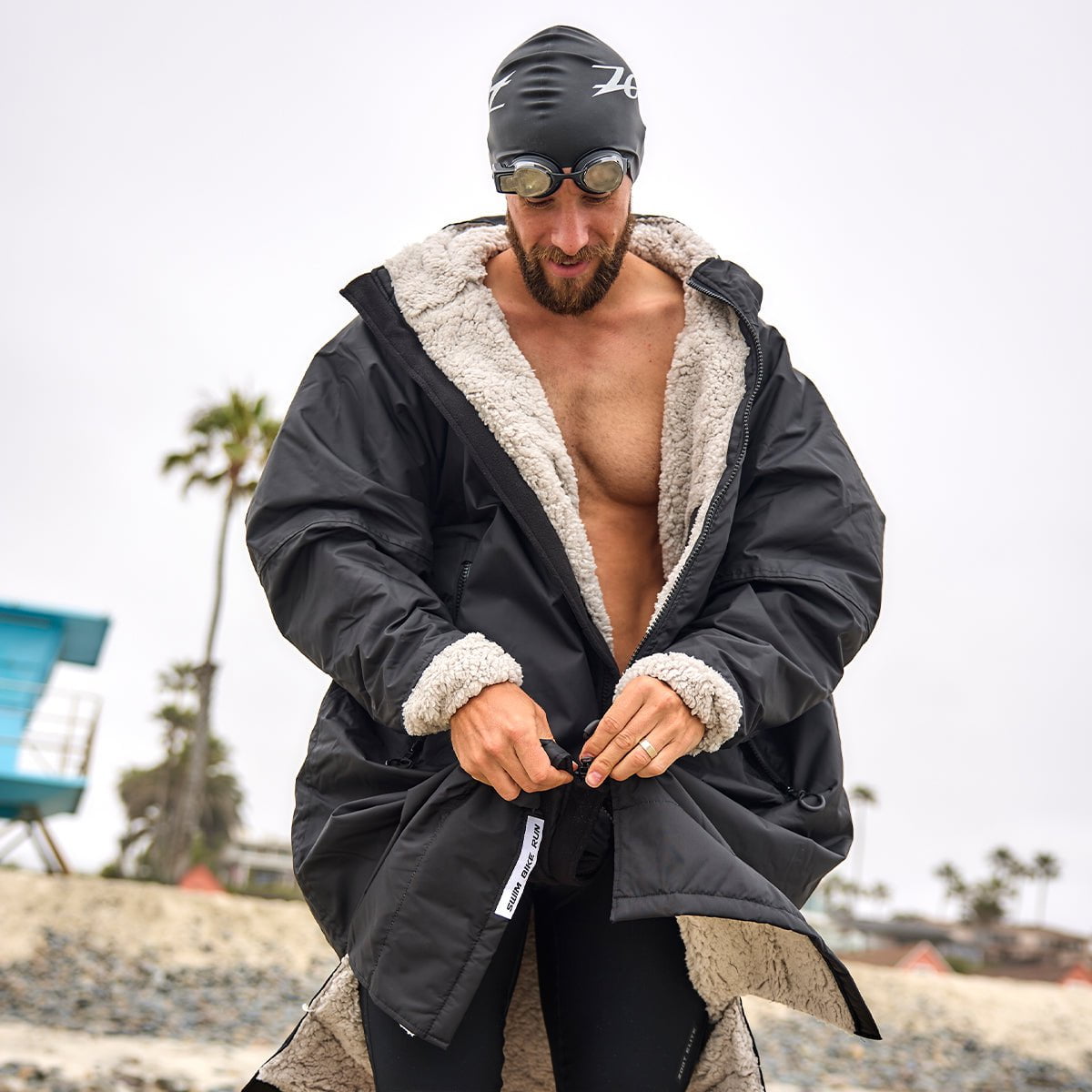
For athletes who thrive on the water—whether in the surf, the pool, or out at sea—cold conditions are a constant challenge. Early morning ocean sessions, late-season regattas, or open-water swims often mean facing biting wind, freezing air, and unpredictable weather long after the physical activity has ended. In these moments, staying warm is not just about comfort—it’s about safety, performance, and longevity in the sport. That’s where specialized outerwear like the swim parka or boat coat comes in, bridging the gap between functional performance gear and post-activity recovery essentials.
Understanding why these garments are so vital requires looking at what makes cold-water environments so demanding, how body temperature regulation affects athletic performance, and how thoughtful design in water-resistant outerwear has evolved to meet those needs. At the same time, it’s important to weigh trade-offs—between insulation and flexibility, breathability and water resistance, or lightweight comfort and rugged durability—when choosing what to wear.
This article explores the science, design, and decision-making behind choosing between a Swimmer’s parka or Marine coat, highlighting the balance between warmth, mobility, and longevity that every water athlete should consider before stepping from shore to deck.
Understanding the Cold-Water Challenge
Anyone who has trained or competed in cold-water environments knows the toll that exposure can take. Even after leaving the water, evaporation cools the skin rapidly, especially in windy or wet conditions. The body continues losing heat through conduction (contact with cold surfaces or wet fabric) and convection (wind chill). Without proper insulation or protection, athletes experience not only discomfort but potential decreases in muscle function, slower recovery, and increased risk of hypothermia or injury.
The challenge is that traditional athletic jackets or casual fleece layers don’t offer the right balance of protection. They might insulate well but absorb water, or they may be waterproof but lack breathability, leading to dampness from sweat or condensation. That’s why specialized outerwear has emerged for this niche: garments designed specifically for post-swim, post-surf, or deck-side activities, offering warmth without trapping moisture and protection without limiting movement.
Cold-water athletes—surfers, divers, sailors, open-water swimmers, paddleboarders, and lifeguards—need outerwear that responds to dynamic conditions. They shift quickly between physical exertion and rest, wet and dry environments, sea spray and sun. Any gear designed for them must account for these transitions while keeping comfort, warmth, and usability at the forefront.
The Evolution of Functional Outerwear
Outerwear for water sports has come a long way from basic windbreakers and fleece pullovers. The development of waterproof, windproof, and breathable fabrics transformed how athletes manage exposure. Materials like laminated membranes, fleece-lined shells, and water-repellent coatings provide layers of protection while remaining lightweight.
Earlier, water athletes relied on makeshift solutions—wrapping themselves in towels, layering hoodies, or using deck blankets. Over time, manufacturers realized the need for a product tailored to this community: something that worked both on land and near water, before and after immersion. This led to innovations like the Swimmer’s parka, designed initially for competitive swim teams, and the Marine coat, created for sailors and boaters who needed weather-resistant outerwear at sea.
While they share similar goals—keeping the athlete warm and dry—their construction reflects their specific environments. Understanding those design distinctions helps athletes make informed decisions based on activity, climate, and personal preference.
Anatomy of Warmth: What Makes a Great Water Athlete’s Coat
The core function of both types of garments lies in their insulation and weatherproofing. However, not all warmth is created equal. The outer shell, inner lining, and overall cut of the garment all affect performance in different environments.
- Outer Shell: The first defense against wind and water. A good outer shell repels moisture, whether from ocean spray or rain. Some manufacturers use polyurethane-coated nylon or polyester shells that block wind entirely, while others use advanced fabrics that strike a balance between waterproofing and breathability.
- Inner Lining: Most high-performance parkas or coats include a fleece or thermal lining that traps body heat. The texture and density of this lining determine comfort and insulation efficiency. Microfleece is lightweight and soft, while heavier pile linings maximize warmth for sub-zero temperatures.
- Length and Fit: The longer design of these coats ensures coverage from neck to below the knees, protecting large muscle groups prone to heat loss. A relaxed fit accommodates changing clothes underneath or layering without restriction.
- Closures and Features: Durable zippers, storm flaps, adjustable cuffs, and spacious pockets add utility. Hoods with drawstrings or visors shield from wind gusts, while quick-dry materials keep interior fabrics from staying damp.
These details may seem small, but they play a huge role in overall performance. A well-designed coat or parka maintains thermal stability even when wet and allows for easy movement during activities like changing out of a wetsuit, rigging a sail, or loading gear.
The Science Behind Staying Warm
The human body constantly works to maintain a core temperature around 98.6°F (37°C). When exposed to cold or wet environments, blood vessels constrict to preserve heat around vital organs, leading to numbness or reduced dexterity in extremities. For water athletes, this can be problematic—tying knots, removing wetsuits, or handling boards becomes difficult when hands or muscles lose flexibility.
A Swimmer’s parka or Nautical jacket helps by reducing the rate of heat loss. Fleece lining retains warm air close to the skin, while the outer waterproof shell blocks cold wind and evaporation. However, balancing insulation with breathability is tricky. Too much insulation can trap sweat, making the interior clammy, while excessive ventilation may compromise warmth.
Manufacturers combat this by using layered constructions—outer waterproof barriers combined with moisture-wicking linings—to create microclimates within the garment. This allows heat to stay in while excess moisture escapes.
Understanding this balance helps athletes make informed decisions. For example, a sailor might prioritize windproofing, while a swimmer may prefer breathability for faster drying between laps. The challenge lies in selecting a coat that meets your unique conditions without overcompensating in one direction.
The Trade-Offs: Performance, Durability, and Comfort
Choosing between a Swimmer’s parka and a Marine coat is not about which is “better” but about what best matches your routine and environment. Both serve the same function—maintaining warmth and protection—but their designs emphasize different strengths.
1. Weight vs. Insulation
A heavier coat generally offers more warmth but less flexibility. Open-water swimmers might favor a lighter, more packable option that’s easy to carry between events, while sailors and divers operating in windy, wet decks might prefer heavier-duty versions.
2. Breathability vs. Waterproofing
High waterproof ratings often reduce breathability. A completely sealed fabric keeps external water out but can trap internal moisture, creating discomfort during longer wear. Hybrid fabrics—those that resist external moisture while allowing vapor release—offer the best of both worlds but tend to cost more.
3. Durability vs. Softness
Tough outer shells resist abrasions and saltwater damage but may feel stiffer. Softer materials provide comfort and flexibility but may degrade faster in harsh marine environments. Balancing these aspects depends on how often and where the athlete uses the garment.
4. Design Complexity vs. Ease of Use
Extra features like internal pockets, detachable hoods, or adjustable hems add convenience but can make the coat heavier or harder to clean. Simpler designs often prove more practical for those seeking quick transitions from water to warmth.
5. Price vs. Longevity
Quality materials and advanced insulation technologies raise prices, but they also extend the lifespan of the coat. Cheaper alternatives might suffice for occasional use but may fail under consistent exposure to salt, sand, and moisture.
By weighing these trade-offs, athletes can make more sustainable decisions—investing in gear that truly fits their needs rather than following trends or focusing solely on aesthetics.
The Role of Design Innovation
Modern outerwear manufacturers have begun to integrate sustainability and advanced engineering into their products. Eco-friendly insulation materials, recycled polyester linings, and non-toxic waterproof coatings are replacing traditional synthetics. For conscious consumers, these innovations mean reduced environmental impact without compromising performance.
Ergonomic design is also improving functionality. Wider arm openings allow easier changing out of wetsuits, while strategically placed vents prevent overheating. Reflective detailing increases visibility during early morning or nighttime sessions, enhancing safety for solo athletes.
Technology also plays a role. Some high-end coats now feature thermal mapping—using insulation more heavily in areas prone to heat loss, like the torso and thighs, while reducing bulk elsewhere. Others use bonding techniques that eliminate seams, preventing water intrusion and improving wind resistance.
For cold-water athletes, such advancements don’t just make the experience more comfortable; they enhance performance and safety by helping the body recover faster after exposure.
Environmental and Ethical Considerations
Another growing factor in outerwear decisions is environmental responsibility. Many athletes are acutely aware of their connection to the ocean and seek to reduce their ecological footprint. Traditional waterproof coatings often contained perfluorinated compounds (PFCs), which are harmful to marine life and persist in ecosystems for decades.
Today, progressive manufacturers are moving toward PFC-free alternatives and recycled materials. While these innovations can increase production costs, they align with the values of the community—sustainability and respect for the environment that fuels their passion.
Athletes choosing between a Swimmer’s parka or a Nautical jacket might therefore consider not just performance but the ethical and ecological implications of their purchase. The decision becomes part of a broader conversation about sustainability in sportswear—proof that performance and responsibility can coexist.
Real-World Applications and Use Cases
Different cold-water disciplines present unique demands, and understanding these can help athletes make the right outerwear choice.
- Swimmers and Triathletes: These athletes benefit from lightweight, easy-to-pack outerwear that dries quickly between heats or sessions. Mobility and breathability are key, allowing them to transition from pool to dock without overheating.
- Surfers: Exposure to both wind and salt spray makes windproofing and warmth critical. A longer, fleece-lined parka offers protection while changing out of wetsuits on windy beaches.
- Sailors and Boaters: For deck work, durability and waterproofing are paramount. A Marine coat with reinforced seams and storm flaps ensures protection from constant spray and gusts.
- Divers: Post-dive warmth is crucial, especially after long exposure to cold depths. A thickly lined coat prevents chill during surface intervals or while preparing gear.
- Lifeguards and Coaches: These professionals spend extended hours near cold or windy water. They require durable, weather-resistant coats that allow easy movement and visibility.
Each of these activities highlights how outerwear decisions are not one-size-fits-all. The right gear ensures safety, efficiency, and enjoyment even when conditions are far from ideal.
Challenges in Selection and Maintenance
Even with all the technological advancements, maintaining performance outerwear requires care. Saltwater, sand, and sun exposure can degrade materials over time. Regular rinsing, air drying, and proper storage extend a garment’s life and preserve its protective features.
One challenge is maintaining water repellency. Over time, the Durable Water Repellent (DWR) coating can wear off, allowing fabric saturation. Reproofing sprays or wash-in treatments restore functionality but must be used carefully to avoid damaging linings.
Zippers and seams also require attention. Corrosion from salt can cause failure if not regularly cleaned and lubricated. Choosing garments with marine-grade hardware can mitigate this issue but may add to the cost.
These considerations illustrate that investing in high-quality outerwear is only half the equation; maintaining it is equally essential. Athletes who commit to proper upkeep often find their coats last for years, making them cost-effective in the long run.
Balancing Function and Style
While performance is the priority, aesthetic appeal has become an increasingly important factor for many athletes. The modern Swimmer’s parka or Nautical jacket blends functionality with contemporary design—sleek cuts, muted color palettes, and minimalist detailing appeal to athletes who wear their gear beyond the shoreline.
This evolution from purely functional to lifestyle apparel broadens the audience. Outdoor enthusiasts, coastal residents, and even photographers or travelers in windy climates now find these coats appealing for everyday wear. The versatility of design ensures that the investment serves multiple purposes: practical during activity, stylish afterward.
The Broader Impact: Health, Safety, and Performance
Choosing the right outerwear is more than a matter of convenience. Proper thermal regulation supports recovery, maintains muscle elasticity, and reduces fatigue. For competitive athletes, even slight improvements in post-activity recovery can translate into better performance over time.
From a safety standpoint, these coats can prevent dangerous drops in body temperature during long periods outdoors. Hypothermia can set in quickly when wet skin meets cold air, particularly in windy conditions. By providing immediate insulation, the garment acts as a barrier against energy loss.
Furthermore, consistent warmth improves psychological comfort. Feeling secure and protected encourages athletes to push limits, explore colder waters, and train in diverse conditions—all essential traits in endurance sports.
Making an Informed Choice
When deciding between different models or styles, athletes should consider several key questions:
- What are the most common weather conditions where you train or compete?
- How often do you need to transition between wet and dry states?
- Do you prioritize lightweight portability or maximum insulation?
- Is sustainability a deciding factor in your purchase?
- Will you use the coat exclusively for water sports, or do you need versatility for travel and leisure?
Answering these questions clarifies which features matter most. A lightweight Swimmer’s parka may excel for triathletes in mild climates, while a heavy-duty Nautical jacket suits those who face offshore wind and spray daily.
The goal is not to find one universal solution but to select a garment that matches individual habits and environments. When athletes make decisions with awareness of these factors, they not only protect themselves but also enhance their performance and enjoyment.
Wrapping Up
From early morning swim sessions to long hours on deck, the cold-water environment is as unpredictable as it is invigorating. Staying warm, dry, and ready for the next challenge requires more than just determination—it requires gear built with purpose.
The swim parka and boat coat embody that purpose, representing years of innovation designed to meet the needs of athletes who refuse to let weather dictate their limits. Yet even beyond these specific terms, the broader family of Swimmer’s parkas and Nautical jackets continues to evolve, combining insulation, comfort, and environmental awareness in equal measure.
Balancing performance and sustainability, protection and mobility, these garments remind us that every element—from material choice to care routine—impacts not just the individual athlete but the broader marine environment. As technology advances and outdoor sports grow more inclusive, the importance of choosing gear responsibly becomes clearer than ever.
For cold-water athletes, the decision to invest in quality outerwear isn’t just a matter of comfort—it’s an affirmation of commitment. Whether standing on a windswept pier, adjusting sails on an open deck, or drying off after an icy swim, the right coat turns endurance into enjoyment and transforms the shoreline from a barrier into a beginning.