
How EMDR Therapy Can Help in Overcoming Eating Disorders: A Personal Journey
Eating disorders are complex and notoriously challenging mental health conditions that can affect anyone. The journey to recovery often involves a multitude of therapeutic approaches, each tailored to address the unique intricacies of an individual’s struggle. In this comprehensive exploration, we delve into one such therapy that has shown a remarkable impact: Eye Movement Desensitization and Reprocessing (EMDR). This long-form piece is designed to educate, inspire, and empower those navigating the often treacherous waters of eating disorder recovery [https://kaseandco.com/emdr-disordered-eating/].
Introduction
Eating disorders, such as anorexia nervosa, bulimia nervosa, and binge-eating disorder, are formidable adversaries, intricately entwined with emotions, self-image, and often past traumas. The statistics are sobering: mortality rates among individuals with eating disorders are the highest of any psychiatric illness. Yet, against this seemingly insurmountable backdrop, stories of resilience and triumph emerge.
The conversation around mental health is progressing rapidly, and with it, the array of treatment options. However, some individuals remain unaware of the transformative potential of EMDR therapy in the context of eating disorders. As we journey through this narrative, we’ll explore what EMDR therapy is, its efficacy, and most importantly, how it has touched the lives of those who have experienced it firsthand.
Personal Experience with Eating Disorders
An eating disorder is not merely a chapter in one’s life story but often the defining narrative for a significant period. For those who have grappled with this issue, the experience is akin to a multifaceted journey—fraught with pain, introspection, and a yearning for reprieve.
Understanding EMDR Therapy
EMDR therapy was first developed by Francine Shapiro as a way to help individuals process traumatic memories. The treatment is rooted in the concept that traumatic experiences can become ‘stuck’ in an individual’s neurobiology, leading to ongoing disturbances and emotional distress. EMDR aims to facilitate the brain’s natural healing processes and promote adaptive resolution of traumatic experiences.
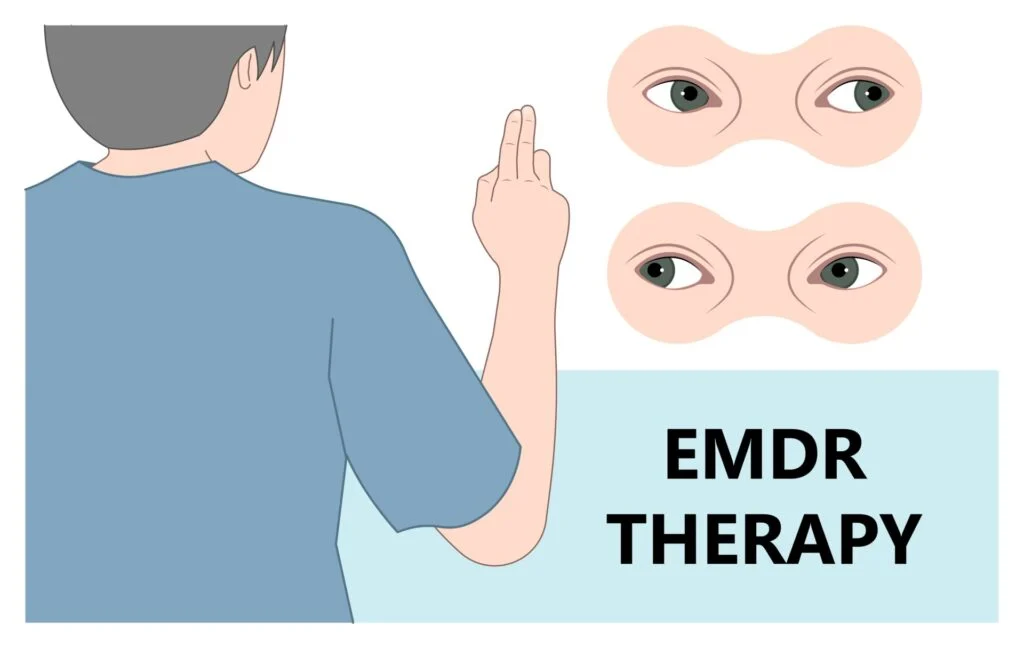
The therapy process involves eight structured phases, during which the client recalls distressing memories while the therapist directs them in specific bilateral eye movements or other forms of bilateral stimulation. Through this process, clients can reprocess traumatic memories, reducing their impact and allowing for new, more adaptive information to be synthesized.
Reduction of Negative Emotions and Beliefs
For individuals with eating disorders, the negative emotions and beliefs that often accompany their condition can be overwhelming. EMDR therapy is designed to identify and alleviate these destructive thought patterns.
Clients report that EMDR has helped to neutralize the power of negative self-talk and distorted body image, leading to an increased sense of self-worth and the breaking of the cycle of self-destructive behaviors.
Resolving Traumatic Experiences
It is not unusual for eating disorders to develop as coping mechanisms in the aftermath of traumatic events. EMDR shines as an effective tool in uncovering and addressing these underlying traumas.
By reprocessing the experiences that contributed to the development of the eating disorder, clients can often find a sense of closure and release from the burdens of the past.
Developing Healthier Coping Mechanisms
Central to the treatment of eating disorders is the development of healthier coping strategies. EMDR fosters the acquisition of new and positive resources through the reprocessing of traumatic memories.
It encourages individuals to draw on their innate strengths, fostering a sense of resilience that is crucial for long-term recovery.
Case Studies and Success Stories
The power of EMDR in the context of eating disorder recovery is perhaps best echoed through personal success stories.
One individual shared, “I never expected to confront my past by simply following the movement of my therapist’s hand. Yet, with each session, it was as though I was taking steps away from the shadows that had seemed inescapable for so long. My relationship with food transformed, and I discovered freedom in breaking away from the rigidity of my previous routines.”
These testimonials serve as testaments to the transformative potential of EMDR therapy, offering hope and inspiration to individuals currently embroiled in the difficult journey to recovery.
The Role of EMDR Therapy in a Comprehensive Treatment Plan
While EMDR therapy is a powerful tool in the recovery arsenal, it is most effective when integrated into a comprehensive treatment plan.
Collaboration between therapists, nutritionists, and other medical professionals is vital to address the multifaceted nature of eating disorders. EMDR complements other therapeutic modalities, such as cognitive-behavioral therapy (CBT), and can significantly enhance the efficacy of treatment when used in tandem.
For those considering EMDR as part of their recovery journey, it is essential to engage with a therapist who is trained and experienced in this modality. Furthermore, maintaining open communication with the broader treatment team can ensure a cohesive and effective approach to care.
Conclusion
The road to recovery from an eating disorder is a daunting and deeply personal expedition. EMDR therapy stands as a beacon of hope for those seeking a path to healing—one that offers the promise of resolution, restoration, and the reclamation of one’s life.
To those who find solace in this account, I extend a gentle whisper of encouragement: recovery is not a mirage but a tangible destination, reached through the courageous steps taken one day at a time. It is within this spirit of resilience and the embracing of innovative therapeutic avenues that the journey to a life unencumbered by the shadows of an eating disorder begins.