
How Proper Pallet Design Improves Load Stability During Shipping
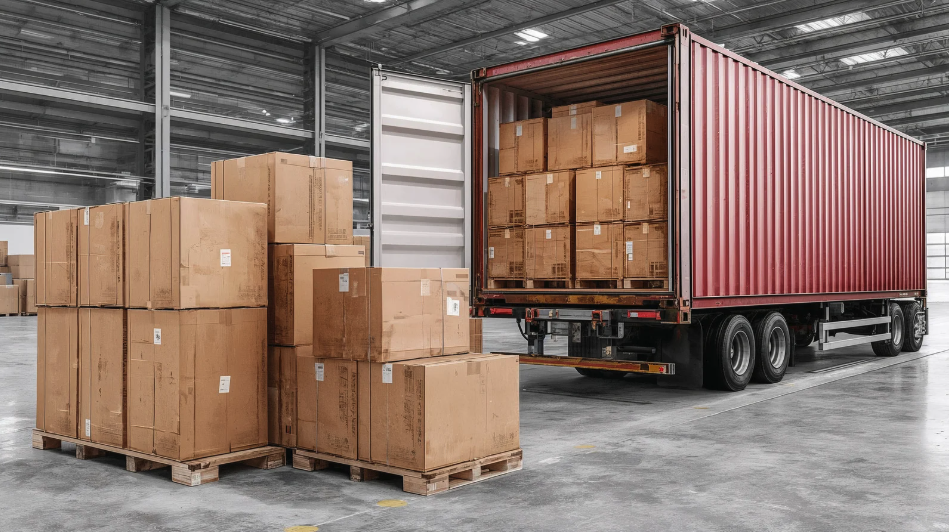
The foundation of any secure supply chain lies in the physical platform that supports the goods during transit. A poorly configured base allows products to shift or collapse under the dynamic forces of transport, which leads to damaged inventory and safety hazards for logistics personnel. Investing in professionally engineered shipping wood pallets ensures that every load travels on a structure specifically designed to maintain equilibrium and integrity. This attention to structural detail prevents costly accidents and ensures that valuable merchandise arrives at the destination in pristine condition.
The Engineering Behind Load Distribution
Stability is not achieved by simply placing a box on a wooden platform but rather by understanding how the weight of the cargo interacts with the supporting deck. Professional designers analyze the specific footprint of the inventory to create a pallet that maximizes surface contact and minimizes pressure points. The arrangement of the top deck boards is critical for preventing product deformation and tipping. If the gaps between boards are too wide, small items or boxes with flexible bottoms can sag into the empty space.
This sagging shifts the center of gravity and compromises the vertical alignment of the stack. Professional manufacturers calculate the exact spacing required to provide a continuous support surface that keeps the load flat and rigid. By increasing the number of deck boards or adjusting their width, engineers create a solid platform that distributes weight evenly across the entire base. This uniformity is essential for preventing the leaning or toppling that often occurs when a load settles unevenly during a long journey.
Structural Stiffness and Stringer Design
The stringers or blocks that form the skeleton of the pallet determine its overall stiffness and resistance to bending. A pallet that flexes excessively under a heavy load act like a trampoline, causing the products on top to bounce and loosen their packaging. Experts select timber species and dimensions that offer the appropriate stiffness for the specific payload weight. This rigidity ensures that the pallet remains a static and level plane even when subjected to the vibrations of a moving truck or the swaying of a cargo ship. A stiff base acts as an anchor that holds the entire unitized load together effectively.
Integration with Storage Infrastructure
The design of the pallet must also align perfectly with the storage systems used at both the origin and destination facilities. A mismatch between the platform and the racking can lead to dangerous instability when the load is stored at height. Different warehouse configurations place unique stresses on a pallet, especially when the load is suspended on beams rather than resting on the floor.
Understanding which type of pallet racking system is best for your warehouse helps in specifying a pallet design that engages safely with the support structure. For example, drive-in racks require pallets with specific bottom deck configurations to sit securely on the rails without slipping. Professional designers ensure that the bottom boards are positioned to make solid contact with the rack beams, preventing the pallet from bowing or falling through. This compatibility is vital for maintaining a safe working environment where heavy loads are stored overhead.
Consistent Dimensions for Automation
Modern logistics facilities often rely on automated conveyor systems and robotic handlers to move goods efficiently. These machines require strict adherence to dimensional tolerances that standard off-the-shelf pallets often fail to meet. A custom-designed pallet ensures that every unit is identical in size and shape, which allows automated systems to grip and lift the load predictably. Any variation in width or height can cause a jam in the system, leading to downtime and potential product damage. Professional manufacturing guarantees the precision needed for seamless integration with high-tech logistics equipment.
Conclusion
The stability of a shipment begins from the ground up with a pallet that is engineered for the specific task at hand. By optimizing deck board spacing and ensuring structural stiffness, professional designers create a secure foundation that prevents shifting and damage. Aligning the pallet design with storage infrastructure further enhances safety and efficiency throughout the supply chain. Ultimately, a well-designed pallet is a critical investment in the security and reliability of global logistics operations.