
Hair Transplant: Everything You Need to Know
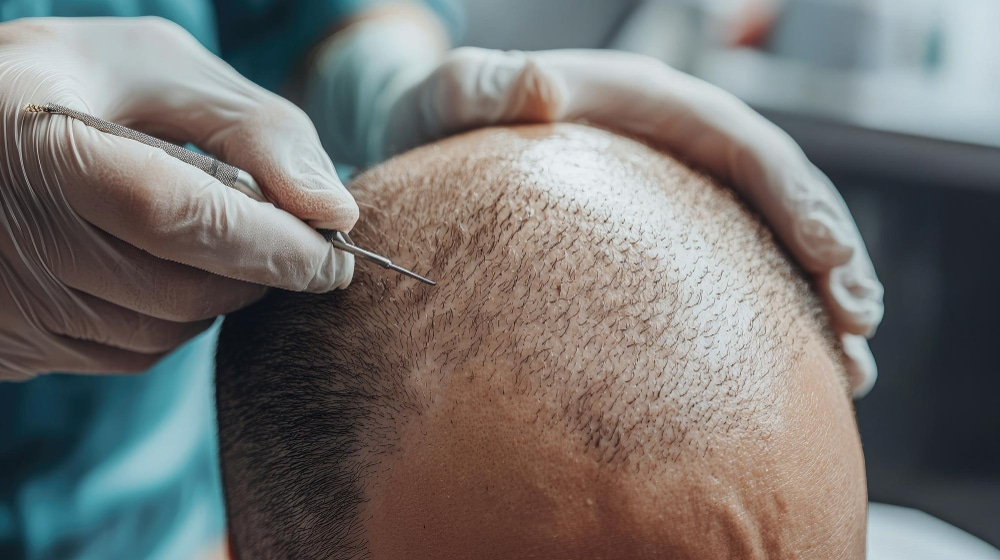
Hair loss is a common concern that affects millions of people worldwide. It can result from genetics, hormonal changes, medical conditions, or lifestyle factors. While there are various treatments available, hair transplant has emerged as one of the most effective and long-lasting solutions for restoring natural hair. In this article, we will explore the different types of hair transplant procedures, who qualifies for them, the recovery process, and what results you can expect.
What is a Hair Transplant?
A hair transplant is a surgical procedure that moves hair follicles from one part of the body, typically the back or sides of the scalp (donor area), to areas experiencing hair loss (recipient area). This technique allows for permanent hair restoration, making it a preferred choice for individuals seeking a natural look.
Modern hair transplant procedures are minimally invasive, and advancements in technology have significantly improved both the safety and effectiveness of these treatments.
Learn more about hair transplant procedures at Liv Hospital.
Types of Hair Transplant Procedures
There are two primary hair transplant methods that patients can consider:
1. Follicular Unit Transplantation (FUT)
FUT, also known as the strip method, involves removing a strip of scalp from the donor area, dissecting it into individual follicular units, and transplanting them into the thinning areas. This method is highly effective for covering larger areas of hair loss but may leave a linear scar at the donor site.
2. Follicular Unit Extraction (FUE)
FUE is a more modern technique in which individual hair follicles are extracted directly from the donor area and implanted into the recipient area. This method is less invasive, leaves minimal scarring, and has a faster recovery time compared to FUT.
Both techniques are performed under local anesthesia and have high success rates when done by experienced surgeons.
Who is a Candidate for Hair Transplant?
Hair transplant procedures are suitable for both men and women experiencing pattern baldness or thinning hair. Ideal candidates:
- Have sufficient donor hair
- Are in good overall health
- Have realistic expectations about results
- Are experiencing hair loss that has stabilized
It’s essential to consult with a specialist to determine the best approach based on your hair type, degree of hair loss, and personal goals.
The Hair Transplant Procedure
The procedure generally follows these steps:
- Consultation and Assessment: The surgeon evaluates your hair loss pattern and designs a hairline that suits your face.
- Preparation: The donor area is trimmed, cleaned, and numbed with local anesthesia.
- Harvesting: Depending on the method, follicles are extracted using FUE or FUT.
- Implantation: The follicles are strategically implanted into the recipient area for a natural appearance.
- Post-Procedure Care: Patients receive detailed instructions to ensure proper healing and optimal growth.
The entire process typically lasts between 4–8 hours, depending on the number of grafts required.
Recovery and Results
After a hair transplant, patients may experience mild swelling, redness, or scabbing in the treated areas. Most people can return to work within a few days, but vigorous activities should be avoided for a couple of weeks.
New hair growth usually begins within 3–4 months, with noticeable improvements around 6–9 months. Final results are generally visible after 12 months, providing a fuller and natural-looking head of hair.
Maintaining a healthy lifestyle and following post-operative instructions are crucial for long-term success.
Benefits of Hair Transplant
- Permanent Solution: Unlike topical treatments or medications, hair transplant provides long-lasting results.
- Natural Appearance: With advanced techniques, transplanted hair blends seamlessly with existing hair.
- Boosted Confidence: Restoring hair can significantly improve self-esteem and overall well-being.
- Low Maintenance: Transplanted hair grows naturally and does not require special care.
Considerations and Risks
Although hair transplants are generally safe, there are a few considerations:
- Temporary swelling, redness, or discomfort
- Risk of minor infection if post-care instructions are not followed
- Possibility of uneven growth or the need for a second procedure
- Cost can vary depending on the technique and number of grafts required
Discussing all risks and expectations with your surgeon beforehand ensures the best outcomes.
Conclusion
Hair transplant is a reliable and effective method for restoring hair and improving confidence. With the advancement of techniques like FUE and FUT, patients can achieve natural-looking results with minimal downtime. If you are considering a hair transplant, consulting with experienced specialists is the first step toward a fuller head of hair.
For more information on hair transplant procedures, visit Liv Hospital. And for tips on maintaining a healthy and vibrant lifestyle post-treatment, check out Live and Feel for expert guidance on wellness and self-care.
FAQs
1. Is hair transplant a permanent solution?
Yes, hair transplant is considered permanent as the transplanted follicles are resistant to hair loss. Proper care ensures long-lasting results.
2. Does the procedure hurt?
Hair transplant is performed under local anesthesia, so patients typically feel minimal discomfort during the procedure. Some mild soreness may occur afterward.
3. How long does it take to see results?
Initial hair growth begins within 3–4 months, with noticeable results around 6–9 months. Full results are generally visible after 12 months.
4. Can women undergo hair transplant?
Yes, women experiencing thinning hair or pattern baldness can benefit from hair transplant procedures, provided they have sufficient donor hair.
5. Are there any side effects?
Common side effects include swelling, redness, and scabbing, which usually subside within a few days. Infection or scarring is rare with proper care.