Libido Support: Lifestyle Foundations What to Know About Pine Pollen
Libido is one of those topics most couples think they should have “figured out,” yet almost everyone experiences changes in desire at some point. Stressful seasons, new parenting demands, health changes, grief, travel, work pressure, medication shifts—any of these can move libido up or down. That doesn’t mean something is “wrong” with you or your relationship. It usually means your body and life are asking for a different kind of support.
This article is for educational purposes only and is not intended as medical advice. While pine pollen powder is used as a natural dietary ingredient, individual responses may vary. If you’re experiencing sudden changes, pain, or persistent health concerns, it’s best to speak with a qualified healthcare professional before using pine pollen powder.
What libido actually is (and what it isn’t)
Libido is often treated like a single switch—on or off—but it’s more like a system with multiple parts. It helps to separate:
- Desire: wanting intimacy or sexual connection
- Arousal: your body’s physical response
- Performance: erections, lubrication, stamina, and comfort
A person can have desire without easy arousal, or arousal without much desire. And “low libido” can mean different things: less frequent interest, less intensity, less spontaneity, or simply less mental space for intimacy. Getting specific about what changed is often the first step toward improving it.
The biggest drivers of libido (the “big rocks”)
If libido feels lower than you’d like, it’s tempting to look for a quick fix. But most of the time, libido follows the basics.
1) Stress and mental load
Chronic stress is a major libido killer. When your nervous system is stuck in “go mode,” your body prioritizes survival and productivity over pleasure and connection.
2) Sleep quality
Poor sleep affects mood, appetite, motivation, and hormone signaling. Even one week of short sleep can noticeably change desire and arousal for many people.
3) Relationship dynamics and emotional safety
Resentment, unresolved conflict, feeling criticized, or feeling unseen can quietly shut libido down. Emotional safety and warmth matter more than most people realize.
4) Alcohol/cannabis and recovery
A drink may lower inhibitions, but regular alcohol use can reduce sleep quality and recovery. Cannabis can affect motivation and arousal differently depending on the person and dose.
5) Exercise and energy availability
Strength training and regular movement tend to support mood and confidence. But overtraining—or under-eating—can backfire. Libido often drops when the body feels depleted.
6) Medications
SSRIs, some blood pressure medications, and other prescriptions can affect libido and sexual function. Never stop meds abruptly, but do discuss side effects with your prescriber.
7) Blood sugar swings and under-eating
If you’re living on coffee and skipped meals, your body may not feel safe enough for desire. Stable meals can make a surprising difference.
Foundational habits that help (simple, non-gimmicky)
You don’t need a perfect lifestyle. You need a few repeatable habits.
Sleep basics:
Pick a realistic bedtime, keep the room cool and dark, and get morning daylight when possible. If sleep is consistently poor, address that first—it’s a libido multiplier.
Strength training + walking:
Two to four strength sessions per week (even short ones) plus daily walking supports mood, circulation, and body confidence. Consistency beats intensity.
Protein + micronutrient-dense meals:
Aim for protein at 2–3 meals per day and include whole foods that bring minerals and fiber (vegetables, beans, berries, oats, seeds). Stable energy supports stable desire.
Stress downshifts:
Try 2–5 minutes of slow breathing, a short nature walk, or a “hard stop” boundary at the end of the workday. Libido often returns when the nervous system feels safe.
Communication that doesn’t feel like pressure:
Instead of “Why don’t we have sex more?”, try: “I miss feeling close to you—can we plan a low-pressure night together?” Scheduling connection time can feel unromantic, but it often reduces anxiety and increases follow-through.
Where supplements fit in (and what to avoid)
Supplements can be supportive, but they’re rarely the main solution. Think of them as a “plus one” after sleep, stress, and nourishment are addressed.
Red flags to avoid:
- “Works overnight” promises
- aggressive “male enhancement” marketing
- hidden proprietary blends (you can’t verify dose or quality)
- unsafe combinations (especially with blood pressure meds, antidepressants, or stimulants)
Pine pollen: what it is and why people are curious
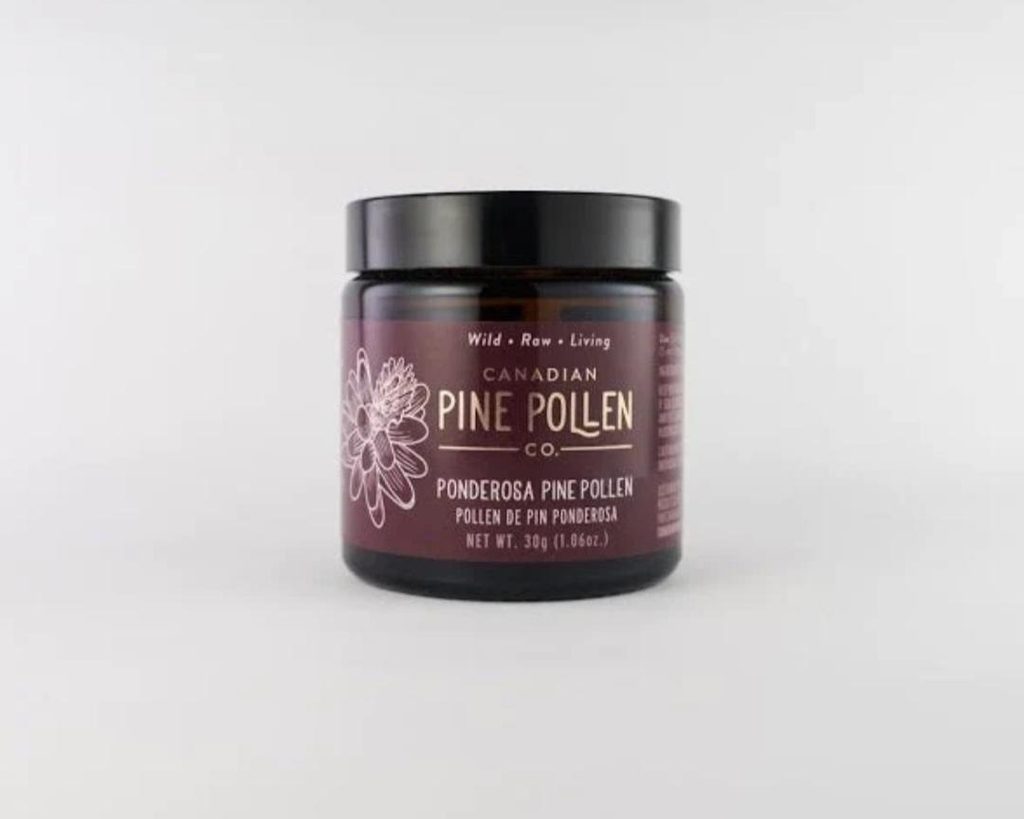
Pine pollen is the fine, yellow pollen released by male pine cones during a short seasonal window each year. It’s collected, dried, and used traditionally. Today it’s sold as a powder or tincture/extract, and it’s often discussed in “vitality” conversations.
One reason pine pollen gets attention is that it may contain a mix of plant compounds, including antioxidants, polysaccharides, and plant sterols. You’ll also hear the term phytoandrogens, which refers to plant-derived compounds that are structurally similar to androgens (like testosterone) or may interact with hormone-related pathways. The exact profile varies by pine species, region, harvest timing, and processing.
A grounded way to frame pine pollen is: some people explore it as part of a broader vitality routine, but it’s not a guaranteed libido fix—and it shouldn’t replace the foundations.
Who should be cautious: pregnancy/breastfeeding, hormone-sensitive conditions, prescription medications, or hormone therapy—check with a clinician.
How to choose a quality product (quick checklist)
If you’re considering pine pollen, quality matters more than hype:
- Transparent sourcing: pine species and harvest region are clearly stated
- Testing: look for contaminant testing (heavy metals, microbes; pesticides when relevant)
- Clear labeling: serving size and instructions are easy to understand
- Avoid sketchy marketing: if it reads like a miracle “performance” product, skip it
If you want an example of a brand homepage that shares sourcing and education, you can start here: https://canadianpinepollen.com/
When to talk to a professional
Get medical support if you have a sudden change in libido, erectile dysfunction, pain with sex, persistent fatigue, depression/anxiety, cardiovascular risk factors, or relationship distress that feels stuck. Sometimes libido changes are an early signal of something worth addressing—physically or emotionally.
A calm next step
Pick one or two foundations to improve this week (sleep and strength training are great starts). Then, if you still want to explore supplements, choose one well-sourced option and track how you feel over time—without pressure or unrealistic expectations.