The 9 Most High-Tech Hotels in the World in 2026
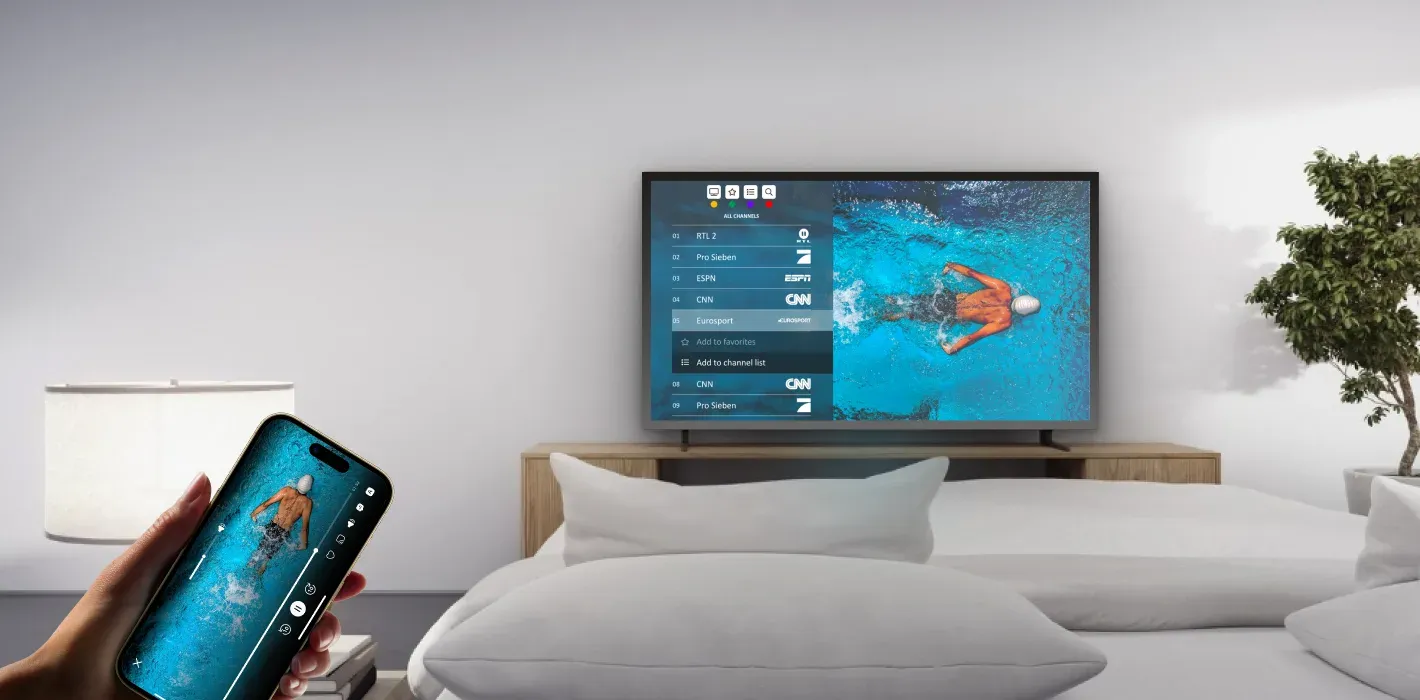
“High-tech hotel” used to mean fast Wi-Fi and an in-room hospitality TV you could cast to without an argument. In 2026, it means something closer to programmable hospitality: check-in that feels like boarding a flight, rooms that remember your preferences (or let you change everything instantly), service delivered by robots when it makes sense, and wellness tech that treats sleep like a performance metric, not a vague hope.
Below are standout properties (and a couple of tech-forward hotel brands) that consistently rank among the most futuristic places to stay, because their hospitality technology products are built into the guest experience, not just bolted onto it.
1) Alibaba’s FlyZoo Hotel (Hangzhou, China): frictionless-by-design
If you want to see what happens when a tech giant designs a hotel like a product, FlyZoo is the reference point. Built through Alibaba’s travel ecosystem (Fliggy) and its AI efforts, FlyZoo is known for automation across the stay, think self-service flows, robotic assistance, and biometrics as a “key.”
Why it’s on the list in 2026:
- A “future hotel” concept where many guest touchpoints are digitized end-to-end.
- Identity + access designed around modern verification patterns (e.g., passport scanning + facial recognition in supported flows).
The vibe: You’re not just staying at a hotel, you’re beta-testing the future of check-in.
2) Henn na Hotel (Japan + beyond): robots that actually run the front desk
Henn na Hotel became famous for putting robotics front-and-center: automated check-in/assistance and tech-forward operations positioned as a defining feature of the brand. The group’s official positioning still leans heavily into “cutting-edge robots at work.”
Why it’s still high-tech in 2026:
- The brand has continued expanding with technology as the headline feature, not an add-on.
- It remains one of the most recognizable “robot hotel” concepts globally, making it a must-mention when talking about automation-forward stays.
The vibe: Novelty meets practicality, especially for travelers who value speed, predictability, and minimal friction.
3) YOTEL (spotlight: Tokyo Ginza): compact, automated, and built for contactless flow
YOTEL’s long-running identity is “airport logic for cities”: efficient footprints, streamlined check-in, and automation where it helps the guest move faster. A recent first-hand review of YOTEL Tokyo Ginza highlights contactless check-in kiosks and item-delivery robots as part of the everyday experience.
Why it stands out in 2026:
- Contactless check-in is not treated as a pandemic-era leftover, but as the default UX.
- Delivery robots help reduce wait time for small requests (a great example of robotics used for “boring, but useful”).
The vibe: A smart, minimalist hotel that behaves like a well-designed app.
4) Marina Bay Sands (Singapore): the resort that runs like a platform
Marina Bay Sands is iconic for its skyline presence, but in 2026 it’s also a great example of large-scale hospitality leaning into mobile-first operations. Its “Smart Hotel” app features are explicitly designed to reduce queues, enable digital key access, and streamline check-out.
Why it’s high-tech (and not just high-profile):
- Skip-the-queue check-in and digital room + lift keys via the official app.
- A published release describes ID scanning, selfie verification, and digital keys in the flow, rare clarity from a major resort on exactly how the tech works.
The vibe: A mega-resort with “theme park” scale, but surprisingly modern mobile UX.
5) ARIA Resort & Casino (Las Vegas, USA): Control4 room scenes and a “tap-to-run” stay
ARIA has been an in-room tech leader for years, and it remains notable because its controls go beyond basic lights and temperature. ARIA describes an in-room tablet experience built on Control4 that includes curtain, climate, lighting, DND status, and “scenes” that choreograph the room, down to wake-up routines.
Why it’s still a top tech hotel in 2026:
- Scene-based automation (sleep/wake modes) is a clear step above simple smart switches.
- It’s an early example of what many hotels are now trying to replicate: one interface that actually controls the whole room.
The vibe: “Vegas extra,” but applied to lighting cues and curtain choreography.
6) Wynn Las Vegas (USA): voice control at real scale
Voice control in hotel rooms can feel gimmicky, until it’s deployed across thousands of rooms and tuned for hospitality use. Wynn made headlines for putting Amazon Echo devices in every room and positioning voice as a primary control layer.
Why it still matters in 2026:
- Wynn’s rollout is often cited as one of the first truly large-scale voice deployments in hospitality.
- It’s also a reminder that “high-tech” includes privacy conversations, not just convenience.
The vibe: Luxury hotel meets smart-home showroom (in a good way, if you like voice control).
7) citizenM (multiple cities worldwide): your phone is the remote, the key, and the front desk
Some “high-tech hotels” are better understood as high-tech brands, and citizenM is a prime example. The brand’s mobile app is positioned to power a contactless stay, including check-in/out and room controls from your phone.
Why it’s a 2026 staple:
- Mobile-first control: lighting, temperature, curtains, ordering, and checkout built into the stay flow.
- The brand explicitly frames the phone as the center of the experience, not an optional extra.
The vibe: Consistent, modern, and efficient, great for travelers who want the room to “just work.”
8) Equinox Hotel New York (USA): the “quantified sleep” luxury lane
In 2026, one of the most interesting frontiers in hotel technology isn’t robots, it’s sleep optimization. Equinox’s Sleep Lab rooms (developed with sleep science input) are designed around data-driven rest: cooling + sleep tracking, circadian lighting, and guided rituals delivered via in-room devices.
Why it’s genuinely futuristic:
- The room is treated like a controlled environment for recovery (temperature, light timing, guided routines).
- It’s a preview of where premium hospitality is heading: wellness that’s measurable, personalized, and engineered.
The vibe: A luxury hotel room that behaves like a sleep clinic, without feeling clinical.
9) Eccleston Square Hotel (London, UK): “boutique” doesn’t mean low-tech
Not every cutting-edge hotel is a giant resort. Eccleston Square Hotel is notable because it packs a lot of in-room tech into a boutique footprint: smart glass privacy, high-end in-room AV, and rooms designed around technology as a comfort feature.
Why it’s on the 2026 list:
- Smart glass that changes privacy states at the touch of a button.
- A clear, guest-facing emphasis on advanced room technology rather than generic “modern amenities.”
The vibe: Traditional London location, very non-traditional room experience.
What “high-tech” actually means for travelers in 2026
Across these hotels, the most valuable innovations tend to fall into four buckets:
- Frictionless arrival: mobile check-in, kiosks, digital keys, identity verification flows.
- Room-as-a-system: scenes, automation, one interface for climate/lights/curtains/entertainment.
- Robotics for “small wins”: luggage handling or item delivery that reduces waiting and staff load.
- Wellness tech: especially sleep, cooling, circadian lighting, and guided routines.
The best tech hotels aren’t the ones with the most gadgets. They’re the ones where technology disappears into the experience, making your stay smoother, quieter, and more personalized.