The Science Behind Modern Hydrafacial Treatments for Healthier-Looking Skin
Healthy skin depends on proper cleansing, hydration, and consistent care. While traditional facials remain popular, advanced skincare technologies have transformed how professionals approach deep cleansing and skin rejuvenation. These treatments combine exfoliation, extraction, hydration, and nourishment in a single session, making them a preferred choice for many people seeking refreshed skin without significant downtime.
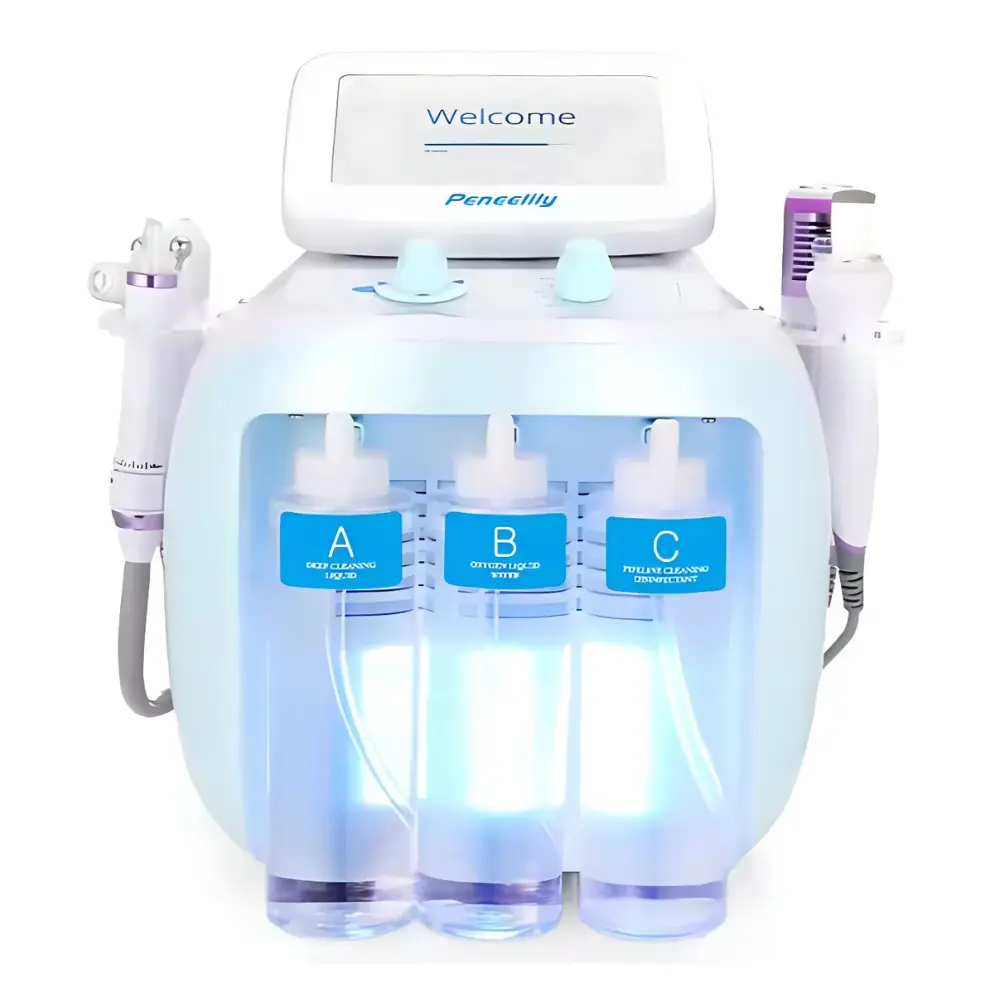
Many skincare professionals also rely on advanced equipment such as a hydra facial machine to perform multi-step facial treatments that support thorough cleansing and improved skin hydration while maintaining comfort throughout the procedure.
What Is a Hydrafacial Treatment?
A hydrafacial is a non-invasive skincare procedure designed to cleanse, exfoliate, extract impurities, and infuse the skin with hydrating solutions. Unlike conventional facials that often depend on manual extraction, hydrafacial technology uses vacuum-assisted suction and specialized serums to improve both effectiveness and comfort.
The treatment aims to remove dead skin cells while replenishing moisture at the same time. This combination helps improve skin texture, brightness, and overall appearance without causing excessive irritation.
Because the procedure is gentle, many individuals choose it as part of their regular skincare routine rather than as an occasional treatment.
How Hydrafacial Technology Works
Modern hydrafacial systems typically perform several skincare functions during one treatment session.
Deep Cleansing
The first step focuses on removing dirt, oil, makeup residue, and surface impurities. Proper cleansing prepares the skin for the following stages by ensuring active ingredients can penetrate more effectively.
Gentle Exfoliation
Specialized tips exfoliate the outer layer of dead skin cells without aggressive scrubbing. Removing this buildup encourages smoother skin and allows healthier cells underneath to become more visible.
Benefits of exfoliation include:
- Improved skin texture
- Brighter complexion
- Reduced roughness
- Better absorption of skincare products
Vacuum Extraction
Instead of manually squeezing pores, controlled suction removes excess oil, debris, and impurities from clogged pores.
This step is generally more comfortable than traditional extraction methods and reduces the risk of unnecessary pressure on the skin.
Hydration and Serum Infusion
The final stage delivers hydrating and nourishing solutions directly into freshly exfoliated skin.
Depending on the treatment, these solutions may contain:
- Hyaluronic acid
- Peptides
- Antioxidants
- Vitamins
- Skin-conditioning ingredients
Hydration helps support the skin barrier while leaving the complexion looking refreshed.
Benefits of Hydrafacial Treatments
Hydrafacial procedures have gained popularity because they address several common skincare concerns in one appointment.
Improved Skin Hydration
Hydrated skin typically appears healthier, smoother, and more radiant. Since hydration occurs immediately after exfoliation, moisture retention often improves compared to applying skincare products on untreated skin.
Brighter Complexion
Dead skin cells can make the face appear dull and uneven. Removing this layer allows fresher skin underneath to become more visible, contributing to a brighter appearance.
Cleaner Pores
Vacuum extraction helps remove debris that accumulates inside pores. Cleaner pores may reduce congestion and support a smoother-looking complexion.
Smoother Texture
Regular exfoliation encourages a more refined skin surface by minimizing rough patches and improving overall softness.
Minimal Recovery Time
Unlike some resurfacing procedures, hydrafacial treatments usually require little to no downtime. Most individuals return to daily activities shortly after the session.
Who Can Benefit from Hydrafacial Treatments?
One reason hydrafacial technology has become widely used is its versatility.
It may benefit individuals experiencing:
- Dry skin
- Oily skin
- Combination skin
- Mild congestion
- Uneven texture
- Dull complexion
- Enlarged pores
- Fine surface lines
However, individuals with active skin infections, severe irritation, or certain medical skin conditions should consult a qualified skincare professional before treatment.
The Typical Treatment Process
Understanding each stage helps reduce uncertainty before a first appointment.
Step 1: Skin Assessment
A skincare professional evaluates:
- Skin type
- Hydration levels
- Areas of concern
- Treatment goals
This assessment helps determine suitable treatment settings and serum selection.
Step 2: Cleansing
The face is thoroughly cleansed to remove makeup, sunscreen, oils, and environmental debris.
Step 3: Exfoliation
The treatment gently removes dead skin cells using specialized technology designed to minimize discomfort.
Step 4: Extraction
Vacuum-assisted suction clears clogged pores while reducing the need for manual pressure.
Step 5: Hydration
Customized serums containing moisturizing and nourishing ingredients are infused into the skin.
Step 6: Skin Protection
Many treatments conclude with sunscreen and moisturizer to protect freshly treated skin from environmental exposure.
Common Ingredients Used During Treatment
Hydrafacial treatments often include scientifically recognized skincare ingredients.
Hyaluronic Acid
This naturally occurring molecule attracts moisture and helps maintain skin hydration.
Antioxidants
Antioxidants assist in protecting skin from environmental stressors caused by pollution and free radicals.
Peptides
Peptides support the skin’s natural renewal processes and contribute to maintaining a smoother appearance.
Botanical Extracts
Plant-based ingredients may help soothe the skin while providing additional hydration.
How Often Should Treatments Be Performed?
Treatment frequency depends on individual skincare goals.
General recommendations often include:
| Skin Goal | Suggested Frequency |
| General maintenance | Every 4–6 weeks |
| Oily skin | Every 3–4 weeks |
| Dry skin | Every 4–6 weeks |
| Seasonal refresh | Every 2–3 months |
A skincare professional can recommend a schedule based on skin condition and response.
Aftercare Tips
Proper aftercare helps maximize treatment benefits.
Recommended practices include:
- Drink plenty of water.
- Apply sunscreen daily.
- Avoid harsh exfoliants for several days.
- Use gentle cleansers.
- Moisturize consistently.
- Avoid excessive heat immediately after treatment.
- Follow professional skincare recommendations.
Simple aftercare can support longer-lasting results while minimizing temporary sensitivity.
Common Myths About Hydrafacial Treatments
Myth 1: Only Mature Skin Needs It
People of various ages may choose hydrafacial treatments depending on their skincare concerns rather than age alone.
Myth 2: It Is Painful
Most individuals describe the procedure as comfortable because the vacuum suction is controlled and designed to be gentle.
Myth 3: Results Last Forever
While improvements may be noticeable after one session, regular skincare and maintenance treatments are generally needed to sustain results.
Myth 4: It Replaces Daily Skincare
Professional treatments complement—not replace—a consistent home skincare routine.
Comparing Hydrafacial with Traditional Facials
| Feature | Hydrafacial | Traditional Facial |
| Cleansing | Advanced technology | Manual cleansing |
| Exfoliation | Controlled device-assisted | Scrubs or peels |
| Extraction | Vacuum suction | Manual extraction |
| Hydration | Serum infusion | Moisturizers and masks |
| Downtime | Minimal | Usually minimal |
Both approaches have value, but hydrafacial treatments combine multiple technologies into one streamlined process.
Conclusion
Hydrafacial treatments represent a modern approach to skincare by combining cleansing, exfoliation, extraction, hydration, and nourishment within a single session. Their gentle nature, minimal downtime, and ability to address multiple skin concerns have contributed to their widespread use among individuals seeking healthier-looking skin.
For professionals who perform advanced skincare procedures, equipment such as a hydra facial machine can support comprehensive facial treatments that focus on cleanliness, hydration, and overall skin wellness without relying on invasive techniques.
FAQs
1. Is a hydrafacial suitable for sensitive skin?
Hydrafacial treatments are generally designed to be gentle, making them suitable for many individuals with sensitive skin. However, treatment intensity and skincare products should always be adjusted according to individual skin needs. Consulting a qualified skincare professional beforehand helps ensure the treatment is appropriate.
2. How long does a typical hydrafacial session take?
Most hydrafacial sessions take between 30 and 60 minutes, depending on the treatment plan and any additional skincare procedures performed. Because there is usually minimal downtime, many people schedule appointments during lunch breaks or before social events.
3. Can hydrafacial treatments help with acne-prone skin?
Hydrafacial treatments may support acne-prone skin by removing excess oil, clearing congested pores, and improving overall skin cleanliness. While they can complement acne management, they are not considered a replacement for medical treatment prescribed by a healthcare professional.
4. Are there any side effects after treatment?
Most people experience little to no downtime. Mild redness may occur immediately after the procedure but often subsides within a few hours. Following aftercare recommendations, including sunscreen use and gentle skincare products, helps protect the skin during recovery.
5. When will results become noticeable?
Many individuals notice smoother, cleaner, and more hydrated skin immediately after treatment. Improvements in brightness and texture are often visible right away, while maintaining long-term results generally requires regular treatments combined with a consistent daily skincare routine.