How Regular AC Maintenance Saves Money and Energy
Key Takeaways
- Routine AC maintenance helps control household energy use, lowering electricity bills.
- Timely servicing can prevent unexpected system breakdowns and costly repairs.
- Simple actions by homeowners, like changing air filters, offer substantial long-term savings.
Keeping your cooling system in top shape goes beyond comfort. Consistent maintenance of your air conditioning system is a practical step toward saving on energy costs and protecting your investment in home comfort. With energy prices fluctuating and warm weather requiring reliable cooling, how you maintain your equipment can significantly affect both your monthly bills and your environmental impact. Every homeowner who uses an air conditioning system can benefit from understanding the benefits of routine maintenance. A well-maintained AC unit can operate at peak efficiency, lowering utility costs and reducing the risk of costly malfunctions. When you prioritize proper maintenance, you ensure your air conditioning delivers steady, affordable comfort for years to come.
One of the most important reasons to stay ahead of maintenance is to avoid sudden malfunctions, especially in the peak cooling season. Catching potential problems early also means you can plan for repairs on your terms, instead of scrambling during a hot spell. Every year, thousands of property owners benefit from scheduling preventive AC check-ups before summer arrives, making it easier to enjoy uninterrupted cooling. Another crucial advantage of maintenance is the longevity of equipment. Just as regular oil changes keep your car running smoothly, seasonal AC inspections reduce wear and tear on critical components. This reduces the likelihood that you will need a costly replacement sooner than expected and helps ensure your cooling system keeps pace with summer’s demands. It’s also wise to become familiar with common signs that you may need to research air conditioning repair to address performance issues before they worsen.
Boosting Energy Efficiency
Clean, well-adjusted air conditioning components work more efficiently, keeping your indoor environment comfortable without unnecessary energy waste. Dirty filters, blocked vents, and debris around the outdoor compressor force the system to work harder, leading to higher consumption and wear on parts. According to the U.S. Department of Energy, swapping out a clogged HVAC filter for a new one can reduce air conditioner energy use by five to fifteen percent. This straightforward step offers measurable savings over time and helps maintain steady airflow throughout your home. Over time, dust and grime can coat evaporator and condenser coils, reducing their ability to absorb and dissipate heat. Technicians can remove this buildup during annual maintenance, returning your unit to peak efficiency. In regions with high pollen or dust levels, these tasks might be needed more often. The simple act of cleaning major components helps keep electricity bills manageable all summer long. To learn more about energy-efficient home improvements, visit trusted sources such as Enegy.gov.
Preventing Costly Repairs
Skipping regular maintenance can result in small problems developing into costly breakdowns. Components like compressors and fans rely on unobstructed airflow to avoid overheating and eventual failure. For example, a neglected air filter can limit airflow, making the compressor work overtime and eventually leading to mechanical failure. Many AC problems that escalate into major repairs could have been caught early during routine maintenance visits. Regular check-ins also allow professionals to spot leaks or worn parts before they lead to outages or more expensive emergency calls. For homeowners looking to avoid sudden disruptions in cooling, preventive attention to issues such as refrigerant levels, electrical connections, and thermostat function is key. Immediate attention to minor issues can prevent them from becoming major inconveniences.
Extending Equipment Lifespan
Routine maintenance keeps your AC system running longer and healthier. By reducing strain on moving parts and improving airflow, maintenance helps the system avoid overuse and premature failure. This means you can maximize your investment and put off the significant expense of a full AC replacement. Annual tune-ups and inspections ensure all moving parts are properly lubricated and functioning, helping your system last longer.
Properly maintained AC units have been shown to operate more reliably for years longer than neglected systems. Manufacturers often recommend yearly or biannual maintenance not only to preserve warranties but to maximize the system’s operational life.
Simple Maintenance Tasks for Homeowners
Although some aspects of AC service require professional expertise, there are several steps homeowners can complete themselves to improve system performance:
- Replace Air Filters Frequently: Change filters every one to three months to reduce dust buildup and improve airflow.
- Clear Debris from Outdoor Units: Remove leaves, grass, and debris that accumulate around your unit to keep airflow unobstructed.
- Monitor Thermostat Settings: Set your thermostat at an efficient temperature for energy savings and comfort.
Overlooking even these simple maintenance measures can increase utility bills and contribute to more frequent breakdowns.
Professional Maintenance: What to Expect
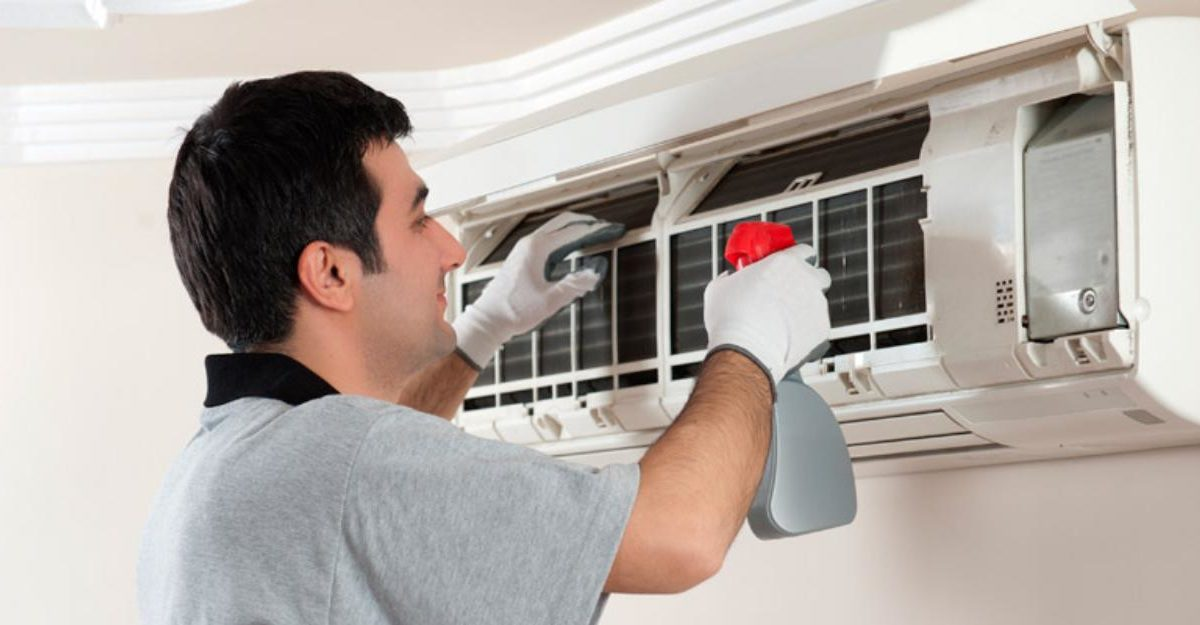
Professional technicians deliver comprehensive service that covers tasks most homeowners cannot complete themselves. During a typical maintenance visit, technicians will:
- Inspect and clean evaporator and condenser coils.
- Check refrigerant pressure and adjust levels if needed.
- Test all controls, including the thermostat, for correct operation.
- Lubricate all moving mechanical components.
- Examine electrical connections and tighten as required.
Depending on your climate and how often your system runs, these visits may be recommended annually or before each cooling season. They are the key to maintaining optimal comfort and avoiding unexpected breakdowns.
Environmental Benefits
Efficient AC systems use less electricity, resulting in a lower carbon footprint. By keeping your unit at peak performance, you help minimize demand on the power grid and reduce emissions associated with energy production. Environmentally conscious maintenance not only preserves your budget but also supports a healthier ecosystem for your community.
Conclusion
Regular air conditioning maintenance is an investment in the comfort, financial stability, and longevity of your home system. With simple, consistent actions and scheduled professional inspections, you can enjoy reliable cooling without the surprise of high bills or sudden repairs. Combining these efforts results in a more sustainable, cost-effective approach to home comfort year-round.