Trending Jewelry Display Sets That Instantly Boost Store Sales
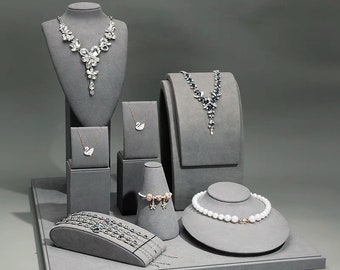
At jewelry displays, each piece tells its own unique tale of craftsmanship, sentiment and luxury. A diamond necklace catching the light, gemstone rings sitting together or pearl earrings resting can make the difference between casual glances and lifelong purchases. Jewelry display sets provide more than mere holders; they serve as silent salespeople who create design stories while guardians for delicate treasures. A well-curated display set enhances jewelry beauty while communicating its value allowing customers to visualize it as their own piece.
At their core, jewelry display sets serve three essential roles that are critical to retail success, brand recognition and customer trust: holding jewelry securely, organizing it by brand identity and developing customer rapport.
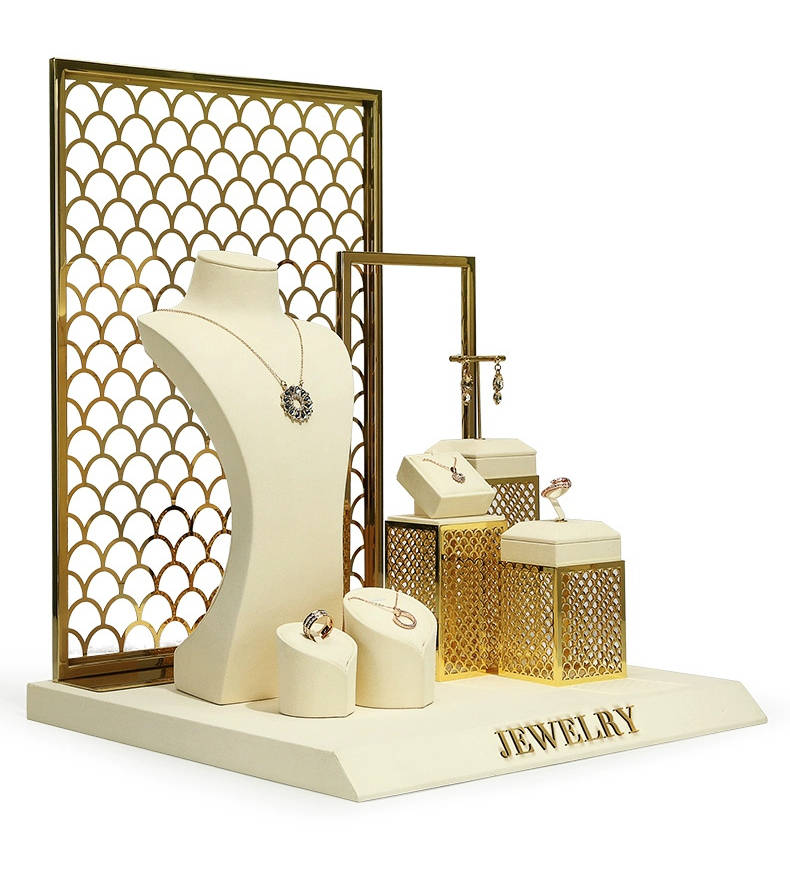
Preservation & Protection: Fine jewelry–whether delicate chains, prong-set diamonds or pearls–are vulnerable to scratches, tangling and other forms of damage. Display sets with soft padded interiors such as velvet suede microfiber are designed to keep pieces safe. Ring trays equipped with individual slots prevent bands from rubbing against each other; while necklace stands with padded neck forms prevent chains from knotting up or stretching.
Visual Enhancement: The right display amplifies each piece’s best qualities. A matte black velvet backdrop will draw out a ruby’s vibrant crimson hue; while a clear acrylic riser brings statement bracelets directly into eye level view while drawing attention to their intricate metalwork; while a light-up display case illuminates diamond brilliance by emphasizing its cut and fire. Even subtle details–such as matching gold tones on display frames with the jewelry brand signature metal–make the jewelry appear more cohesive and desirable.
Narrative & Branding: Each jewelry brand has a distinct story to share–be it artisanal handcrafting, sustainable sourcing, or vintage-inspired design–and display sets are an effective tool to do just that. Bohemian brands might opt for display sets made of reclaimed wood and macrame to evoke earthiness; luxury couture labels might prefer marble-topped displays with polished metal accents to convey elegance; while minimalist brands might opt for clean white ceramic stands to keep focus on jewelry’s form form. Thus becoming extensions of brand identities through customer interactions that reinforce identity each time someone interacts with your brand.
Essential Elements of Jewelry Display Sets: Design, Materials and Function
Crafting an outstanding jewelry display set involves striking a balance between aesthetics and practicality. Below are three elements that differentiate ordinary from exceptional displays:
1.Design: Align With Audience and Space
Design of the display set should reflect both the jewelry style and retail environment, for instance:
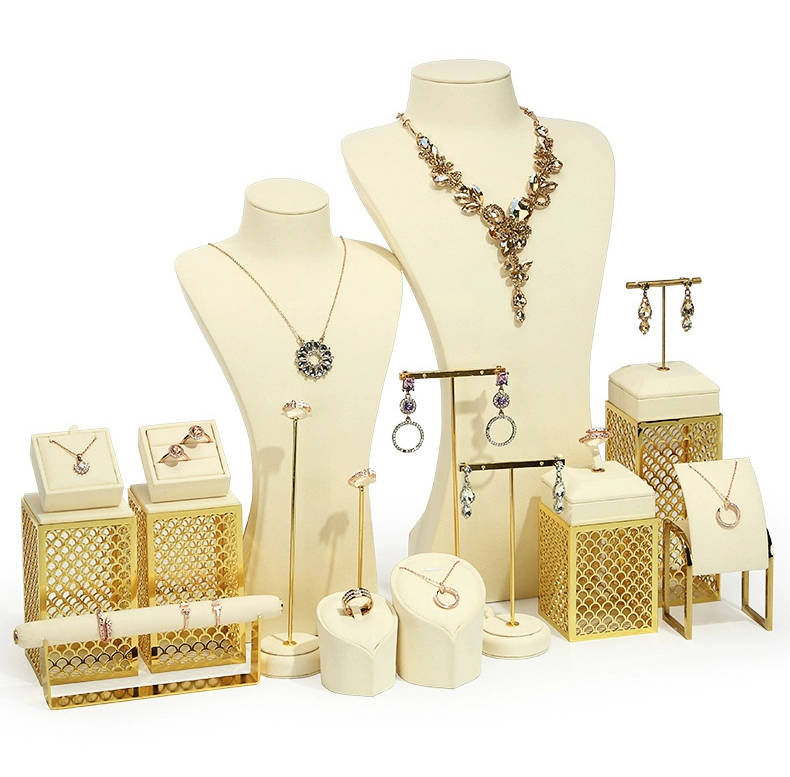
Countertop Displays: Ideal for boutiques or department store kiosks, countertop displays such as ring trays, earring cards, or necklace stands maximize limited space while making customer access simple while keeping inventory organized.
Window Displays: Window displays are intended to make an initial impression upon passersby and are meant to draw them in with large, eye-catching pieces (think statement necklaces or cocktail rings) paired with props such as silk scarves, fresh flowers or minimalist sculptures that create an eye-catching scene. Lighting display cases ensure your jewelry shines even in dim streetlight.
Wall Displays for In-Store Use: Wall-mounted displays are ideal for showcasing necklaces or long earrings while freeing up counter space on empty walls, creating visual focal points in stores. Their adjustable hooks or shelves can accommodate different chain lengths to make these versatile displays adaptable for ever-evolving inventory needs.
2. Materials to Consider
A display set’s material choice has an immense influence on its look, feel and durability. Here are the most commonly chosen options with their advantages and benefits:
Velvet & Suede: Soft, plush fabrics have long been considered timeless for good reason: they prevent scratches while adding an air of luxury, coming in various shades from classic black & white to jewel-tone jewel tones like emerald or sapphire. Velvet and suede fabrics are especially well-suited to delicate pieces like pearls or opals which require careful handling.
Acrylic: Clear or tinted acrylic displays have become increasingly popular for minimalist brands. Lightweight and shatter-resistant, they create the impression that jewelry pieces “float”, drawing all attention back onto each individual piece itself. Acrylic displays also clean easily making them ideal for high traffic areas.
Wood: Reclaimed oak or walnut wood can provide warmth and texture that’s ideal for bohemian, artisanal or vintage brands. Plus it can be stained or painted to suit a store’s decor perfectly!
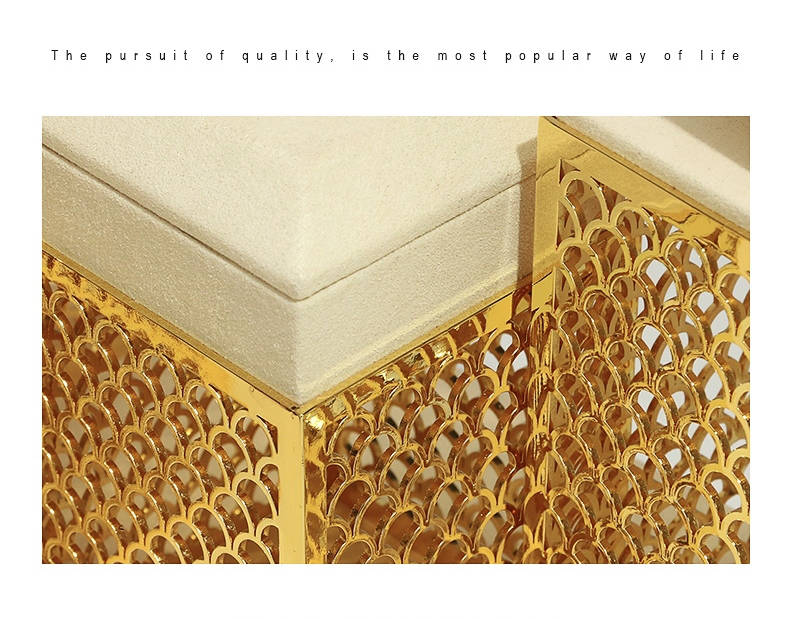
Metal: Polished gold, silver, or brass metal frames add an air of glamour. Easy to maintain and sturdy enough for everyday wear, they pair nicely with both velvet inserts (for softness) and acrylic (for modernity).
Recent years have seen an upswing in sustainable materials; brands are opting for recycled acrylic, FSC-certified wood and vegan suede to align with eco-conscious consumer values while simultaneously reducing environmental impact and adding another level of storytelling in their display.
3. Function: Make It Easier for Customers and Staff
Display sets that look gorgeous but are difficult to use will fail to drive sales. Functionality should include:
Accessibility: Displays should be low enough so customers can easily see and reach them (countertop displays should typically stand 3-5 inches tall, while wall displays should be at eye level for most adults). Earring displays with clear posts or clips make it easy to remove and replace pairs easily while necklace stands with adjustable hooks can accommodate different lengths of necklaces.
Organization: Compartmentalized trays, labeled sections or color-coded displays enable staff to quickly locate pieces quickly while keeping inventory neat. For instance, sorting rings according to size or metal type (gold, silver or rose gold) saves customers both time and frustration.
Portable Jewelry Display Sets (Like Foldable Necklace Stands or Stackable Ring Trays) Are Essential
As consumer preferences and retail trends shift, so too do jewelry display sets. Here are the trends defining this industry today:
Minimalism with an Edge: Clean lines and neutral colors (white, beige and gray) remain popular; however, brands are incorporating subtle accents like metallic trim, textured fabrics or geometric shapes to avoid appearing flat. A ceramic earring stand with a gold hexagon base adds sophistication without overshadowing jewelry displayed.
Interactive Displays: Customers want engagement, so brands are using interactive elements in their display sets such as mirrors built into ring trays (so customers can try on pieces instantly) or QR codes on display cards that link directly to videos of how the jewelry is created – reinforcing craftsmanship!

Customization: Gone are the days of one-size-fits-all displays; instead brands are investing in tailor-made sets to showcase their inventory more precisely – for instance a stackable ring display set (with shallow and wide slots) or multiple necklace hooks at various heights). Not only can custom displays increase functionality but they can also give a sense of exclusivity to their brand.
Sustainable Design: Eco-friendly materials have become an indispensable aspect of product creation, and brand owners now prioritize using them as part of their offerings. Durability has also become key, with brands creating display sets that can be reused or repurposed (for instance a wooden tray that doubles as jewelry storage for customers to take home).
Final Thoughts on Jewelry Display Sets
Jewelry display sets are an investment worth making; not just in protecting inventory and driving sales but also in building brand loyalty and encouraging purchases. A well-designed set can elevate jewelry into something desirable that draws customers in, turning casual shoppers into customers and transactions into memorable experiences for everyone involved.
When selecting or designing display sets, ask yourself the following questions when making decisions: Does this set highlight my jewelry’s best features, align with my brand’s story, and are customers easily able to access? By answering these questions you’ll create display sets that don’t just hold jewelry–they make it shine.