When Is Air Conditioner Repair More Cost-Effective Than Replacement?
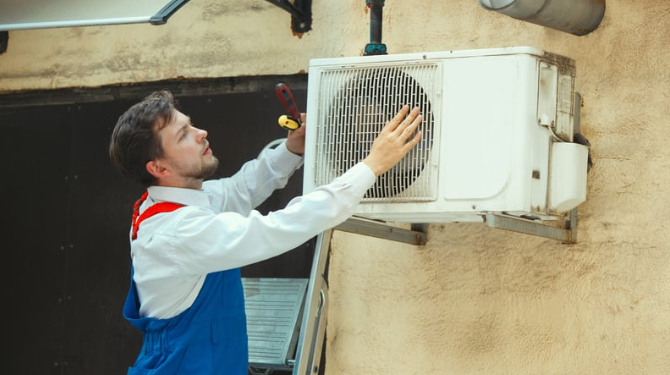
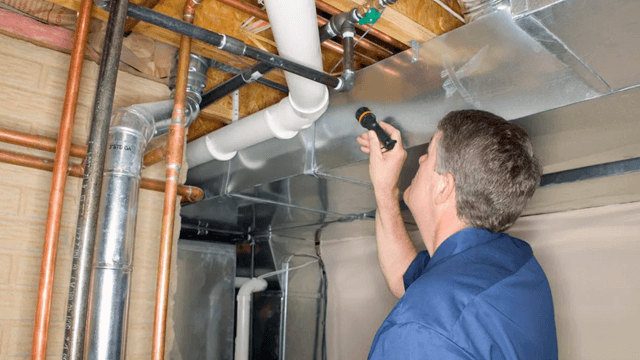
Homeowners often face a difficult financial decision when their cooling system malfunctions during the peak of summer heat. The choice between fixing a current unit and investing in a brand-new system involves careful consideration of immediate costs versus long-term value. Seeking professional advice for air conditioner repair in Venice is the first step in determining the true health of your HVAC equipment. A skilled technician can provide the diagnostic clarity needed to decide if a simple fix will restore comfort or if the machine is truly past its prime.
The Five Thousand Dollar Rule
The age of the system plays a pivotal role in the financial equation regarding whether to fix or replace. Many industry experts use a calculation often called the five-thousand-dollar rule to guide this decision-making process effectively. Multiply the equipment’s age in years by the estimated repair cost in dollars. If the resulting total is less than $5,000, repairing is generally the smarter and more economical choice. This formula helps homeowners avoid sinking money into a machine that has already exceeded its expected operational lifespan. For example, a ten-year-old unit requiring a $300 repair equals $3,000, suggesting that fixing it is still a sound investment.
Warranty Status and Performance
Another significant factor is whether the unit is still covered under a manufacturer’s warranty, which can drastically alter the cost landscape. If the specific part that failed is protected by an active policy, the cost to the homeowner drops significantly, making the repair highly attractive. A professional service provider can verify the warranty status and handle the claims process, ensuring that you take full advantage of the coverage you originally purchased. Even if the labor is not covered, the savings on expensive parts like motors or coils often tip the scales in favor of repair. Keeping track of these warranties ensures you do not pay full price for a problem the manufacturer has agreed to cover.
Maintenance History Impact
A system that has received regular professional attention is far more likely to remain reliable after a repair than one that has been neglected. Understanding air conditioner maintenance timing and frequency helps homeowners realize that a well-tuned machine often just needs a minor adjustment to get back on track. If the unit has a documented history of clean coils and regular check-ups, a sudden breakdown is likely an isolated incident rather than a sign of systemic failure. In these cases, investing in the repair makes sense because the rest of the system is likely in good health and capable of running efficiently for several more years.
Assessing Minor Component Failures
Not all breakdowns are created equal, and the type of component failure dictates the financial logic of the situation. Replacing a small electrical part like a capacitor or a contactor is substantially cheaper than replacing a major component like a compressor. When the diagnosis points to these smaller, manageable issues, opting for the fix is almost always the most cost-effective route. These minor repairs restore full functionality without the hefty price tag associated with a complete system overhaul. Furthermore, correcting these small issues promptly can prevent them from escalating into larger problems that might eventually necessitate a full replacement.
Conclusion
Making the right choice regarding your cooling system requires balancing the immediate expense of a repair against the future reliability of the unit. If the equipment is relatively young, is covered by warranty, or faces only minor mechanical issues, then repairing is undoubtedly the most prudent financial path. Relying on the expertise of a qualified technician ensures that the diagnosis is accurate and that the money spent yields lasting comfort for your home. By weighing age cost and maintenance history, homeowners can confidently choose the solution that best protects their budget and their indoor climate.