Smart Tips for Preventing Common Plumbing Problems at Home

Key Takeaways
- Schedule regular plumbing inspections and address small leaks promptly to avoid major water damage and waste.
- Avoid flushing inappropriate items or pouring grease down the drain to maintain healthy pipes.
- Monitor water pressure, especially in older homes, and use pipe insulation to prevent costly winter damage.
- Annual water heater maintenance and replacing worn parts can enhance efficiency and lifespan.
- Knowing when to call a certified professional saves time, money, and stress in the long run.
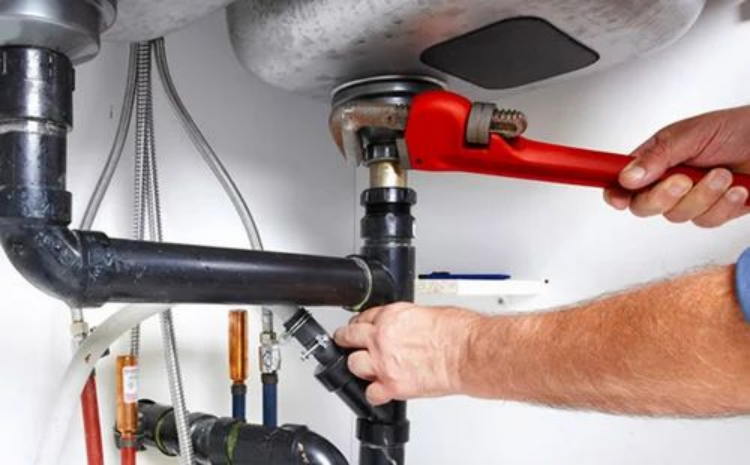
Plumbing problems are a significant inconvenience for homeowners, often resulting in stressful repairs and unexpected expenses. Understanding how to protect your plumbing system proactively helps ensure your home remains a safe and comfortable retreat. By adopting practical habits and regular checks, you can greatly reduce the risk of leaks, clogs, and costly damage. If you ever find yourself needing professional help, contacting a trusted plumber can quickly resolve persistent issues before they get worse.
Establishing smart maintenance routines and minor adjustments requires minimal time but offers significant benefits. Inspect fixtures and dispose of waste properly to protect your plumbing and reduce future emergencies. Staying ahead of problems is easier and cheaper than fixing a disaster. Regular attention to your plumbing prevents mishaps and hidden threats that can occur behind walls. Review local resources and reputable plumbers beforehand for a quick response during emergencies. Even with DIY efforts, annual professional checkups can identify issues that are not visible during casual inspections. Combining maintenance with professional audits ensures nothing is missed and risks are addressed early. For more tips, Consumer Reports’ “Five Repairs Homeowners Shouldn’t Ignore” provides expert advice.
Regularly Inspect and Maintain Faucets and Fixtures
Small drips may seem harmless, but over time, they lead to significant water waste and can create costly hidden damage to cabinetry or flooring. Schedule monthly checks of all faucets, showerheads, and toilets to ensure optimal performance and prevent potential issues. If you notice persistent leaks or minor moisture issues, consider contacting a professional plumbing companies to inspect and repair the problem. Pay attention to even minor moisture or rust marks beneath sinks, around fixture bases, and behind appliances. Repairing or replacing worn washers and O-rings promptly will help you avoid more complex issues in the future.
Avoid Chemical Drain Cleaners
Chemical drain cleaners often promise a quick solution for blocked pipes, yet their harsh ingredients can corrode or weaken pipe structures, especially in older systems. Instead, opt for mechanical solutions, such as plungers or hand augers. For stubborn blockages, seeking professional assistance ensures safe and thorough removal, preventing accidental pipe damage. Natural alternatives, such as baking soda and vinegar, can also maintain free-flowing drains without risking pipe integrity.
Prevent Clogs with Proper Disposal Habits
The most reliable way to prevent clogs is to control what goes into your plumbing system. Bathrooms should only process toilet paper; avoid flushing wipes, feminine hygiene products, or cotton swabs. In the kitchen, discard food debris, coffee grounds, and cooking grease in the trash, not the sink. Using drain covers or strainers is a simple way to trap hair and larger particles before they enter pipes, making later unclogging less likely.
Monitor Water Pressure
High water pressure can stress your plumbing, increasing the chances of leaks or pipe bursts. Test your home’s pressure with an inexpensive gauge; optimal levels are generally between 40 and 60 psi. Signs of excessive pressure include banging pipes or leaking faucets. When needed, a plumber can install a regulator to bring levels under control, protecting both pipes and appliances from premature wear.
Insulate Pipes in Cold Weather
Winter temperatures can wreak havoc on unprotected plumbing. Uninsulated pipes in basements, crawl spaces, attics, or exterior walls are vulnerable to freezing and bursting. Use pipe sleeves or inexpensive foam insulation to provide a protective barrier. For added precaution during cold snaps, open under-sink cabinets to allow warmth to reach pipes, and let faucets drip slightly to keep water moving. The Family Handyman’s plumbing tips offer additional ways to winterize and protect your system.
Schedule Routine Plumbing Maintenance
Like any critical home system, plumbing benefits from professional oversight. Regularly scheduled inspections can identify hard-to-see leaks, deteriorating pipes, or looming failures, giving you the chance to address problems when they are minor. A skilled technician can also recommend upgrades or modifications that improve performance and boost efficiency throughout your home.
Maintain Your Water Heater for Optimal Performance
Your water heater works quietly behind the scenes, but neglecting its maintenance can lead to energy waste and poor reliability. Annually flushing the tank removes sediment buildup, which not only improves heating efficiency but also extends the unit’s lifespan. Reduce the risk of scalding while saving energy by setting the temperature to around 120 degrees Fahrenheit. Periodically check the anode rod—this replaceable part helps prevent internal rust, safeguarding the water heater’s tank.
Know When to Call a Professional
Not every plumbing task is a DIY project. Persistent leaks, recurring clogs, fluctuating water pressure, or foul odors are signs of deeper system issues that call for expert help. Ignoring them could lead to greater structural damage or hazardous mold growth. Having the contact details for a reputable local plumber ready ensures that emergencies can be addressed quickly and correctly.
Proactive care combined with access to reliable professionals ensures your home’s plumbing system remains healthy and efficient. By dedicating attention to these preventative measures, you can avoid major emergencies, keep repair costs low, and preserve your home’s integrity for years to come.